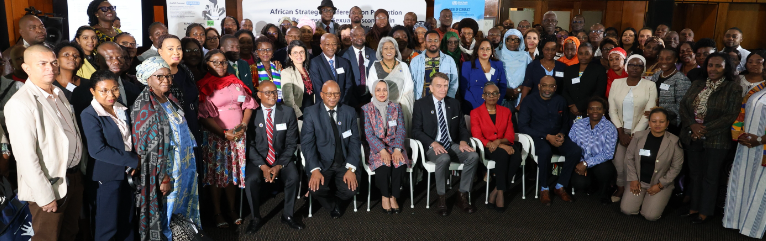
WHO, in partnership with 42 African Member States, has launched a landmark initiative to embed accountability for Preventing and Responding to Sexual Exploitation, Abuse and Harassment (PRSEAH) in joint health operations. The African Strategic Conference on Prevention and Response to Sexual Misconduct in Joint WHO–Member State Operations, held from 17–20 November in Pretoria, is shaping a global model for safeguarding reforms.
This effort builds on WHO’s PRSEAH Accountability Framework for Member States, endorsed at the 78th World Health Assembly in May 2025. The framework provides a voluntary, adaptable starting point for ministries of health to institutionalize safeguarding in joint operations with WHO. It is aligned with UN system-wide standards but goes further by addressing sexual harassment alongside exploitation and abuse – critical gaps in existing global clauses.
The framework focuses on three mutually reinforcing areas: establishing clear policies and codes of conduct that set minimum standards for preventing and responding to sexual misconduct; equipping health personnel and partners with mandatory and specialized training, including modules for emergency responders and victim support teams; and ensuring robust incident management through safe reporting channels, survivor-centered assistance, and timely investigations backed by disciplinary or legal action. Together, these measures aim to protect communities and health workers during every intervention.
The Pretoria conference advanced the discussion on the operationalization of the framework through technical sessions on policy integration, emergency preparedness, risk management, and survivor support. Member States shared their approaches to addressing PRSEAH and discussed both achievements and challenges, which formed the foundation for setting out key principles and action areas to take forward to institutionalize safeguarding within health systems. With this bold action, 42 demonstrated strong commitment in a region facing over 160 public health emergencies annually, where health workers – embedded in vulnerable communities – must uphold the highest ethical standards.