As the global climate crisis escalates, its devastating impacts on human health and well-being will also accelerate. No one anywhere around the globe is beyond its reach, though millions of people – notably, women, children, older adults, communities of marginalized identity, displaced persons, people with pre-existing health conditions, and those living in poverty – are among the most vulnerable.
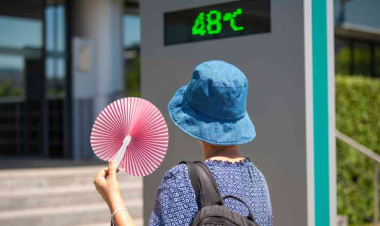
Changing climate conditions are altering burdens of disease, including by increasing heat-related illnesses and deaths; shifting the patterns of infectious disease transmission, making deadly disease outbreaks and pandemics more likely; worsening maternal and child health outcomes; and intensifying health impacts from extreme weather events such as floods, droughts, wildfires, and windstorms.
Climate change also exerts significant strains on health systems, simultaneously increasing demand for health services while impairing the system’s ability to respond. Furthermore, the climate crisis is rapidly deteriorating access to basic human needs such as food security, safe drinking water and sanitation, and clean air. The result, according to new World Bank data, is that a changing climate could lead to excess health costs in low- and middle-income countries of at least US$21 trillion by 2050, equivalent to approximately 1.3% of their projected GDP.