Measles is a viral infection, so antibiotics don’t treat it directly. But it weakens the immune system, leading to bacterial infections like pneumonia or ear infections, which do require antibiotics.
Antibiotic resistance is one of the biggest health threats we face today. It’s often blamed on the overuse of antibiotics, and for a good reason. But there’s another major factor quietly driving this crisis that doesn’t get as much attention: low vaccination rates.
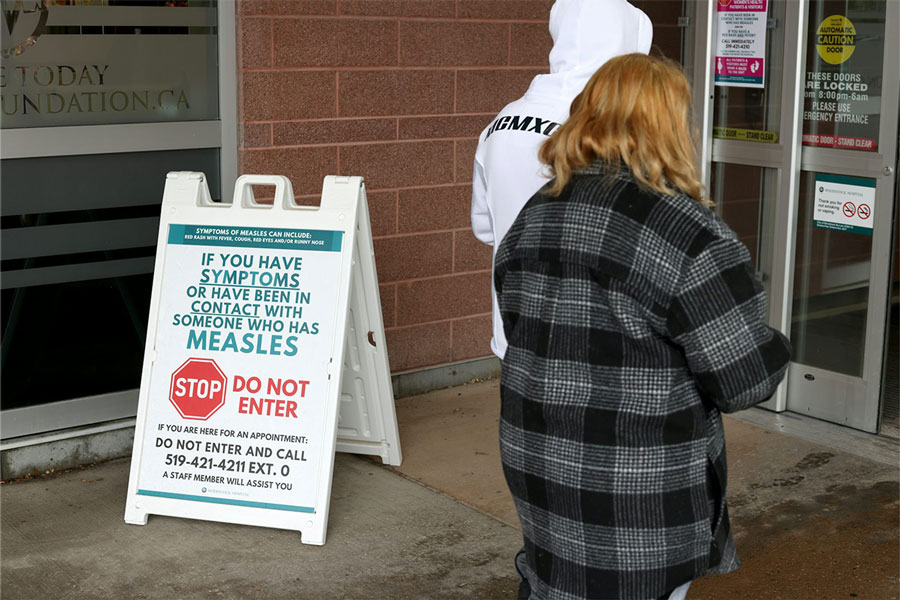
In early 2025, Ontario had a measles outbreak with 2,200 cases as of mid-July, mostly in people who hadn’t been fully vaccinated. An outbreak in Alberta that began in March has expanded to more than 1,300 cases as of mid-July.
Measles had been eliminated in Canada since 1998, but it’s now reappearing, largely due to missed or delayed vaccinations. On the surface, these might seem like a limited viral outbreak. But the ripple effects go much further, causing more illness, more complications and, ultimately, more antibiotic use.
Measles itself is a viral infection, so antibiotics don’t treat it directly. But the virus weakens the immune system, leaving people vulnerable to bacterial infections like pneumonia or ear infections, conditions that do require antibiotics.
Unsurprisingly, this pattern isn’t new. A 2019 study published in Pediatrics showed that many children hospitalized with measles in the United States developed secondary infections that required antibiotic treatment, especially pneumonia and ear infections.
In early 2025, Ontario had a measles outbreak with 2,200 cases as of mid-July, mostly in people who hadn’t been fully vaccinated.