
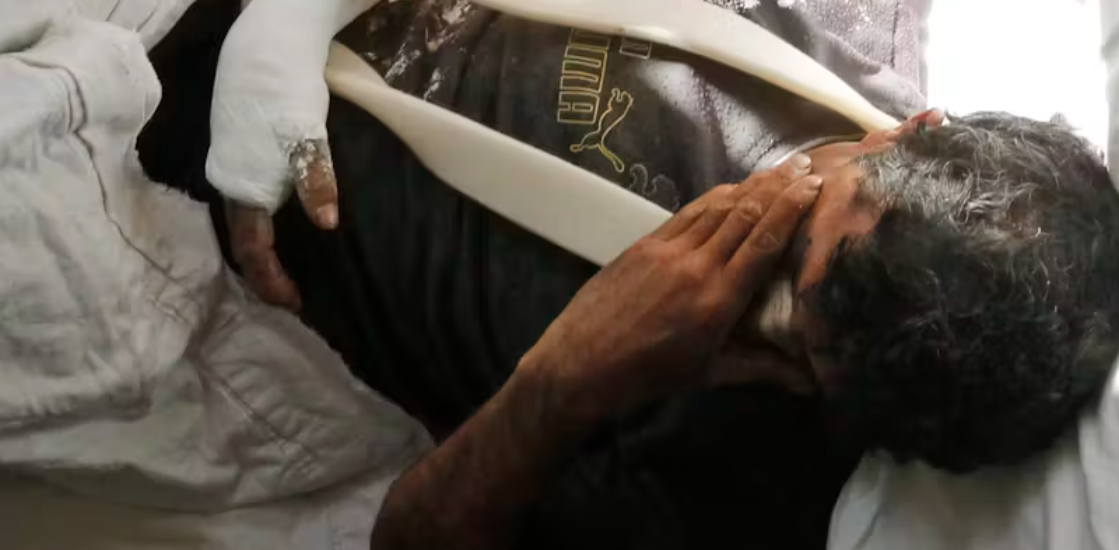
In Québec, immigrants are more likely to be injured at work than people born in the province. Yet the hardest part for immigrant workers often starts after the accident, when they have to navigate a complex rehabilitation system that slows their recovery and their return to work.
My team and I have conducted several studies on the post-injury rehabilitation journeys of immigrant workers as part of our research at the Institut de recherche Robert-Sauvé en santé et en sécurité du travail (Robert Sauvé Research Institute in Occupational Health and Safety, or IRSST).
Our findings show a series of systemic, institutional and relational barriers that hinder their recovery.
In 2016, we found that foreign-born people had a 31 per cent higher rate of workplace accidents than Québec-born individuals, according to a study based on data from the province’s Commission des normes, de l'équité, de la santé et de la sécurité du travail, combined with other ministerial data (the Commission on Standards, Equity, Health and Safety in the Workplace, or CNESST).
The risk is particularly high among newcomers to Canada (less than five years), who are 1.4 to 1.6 times more likely to have an accident.