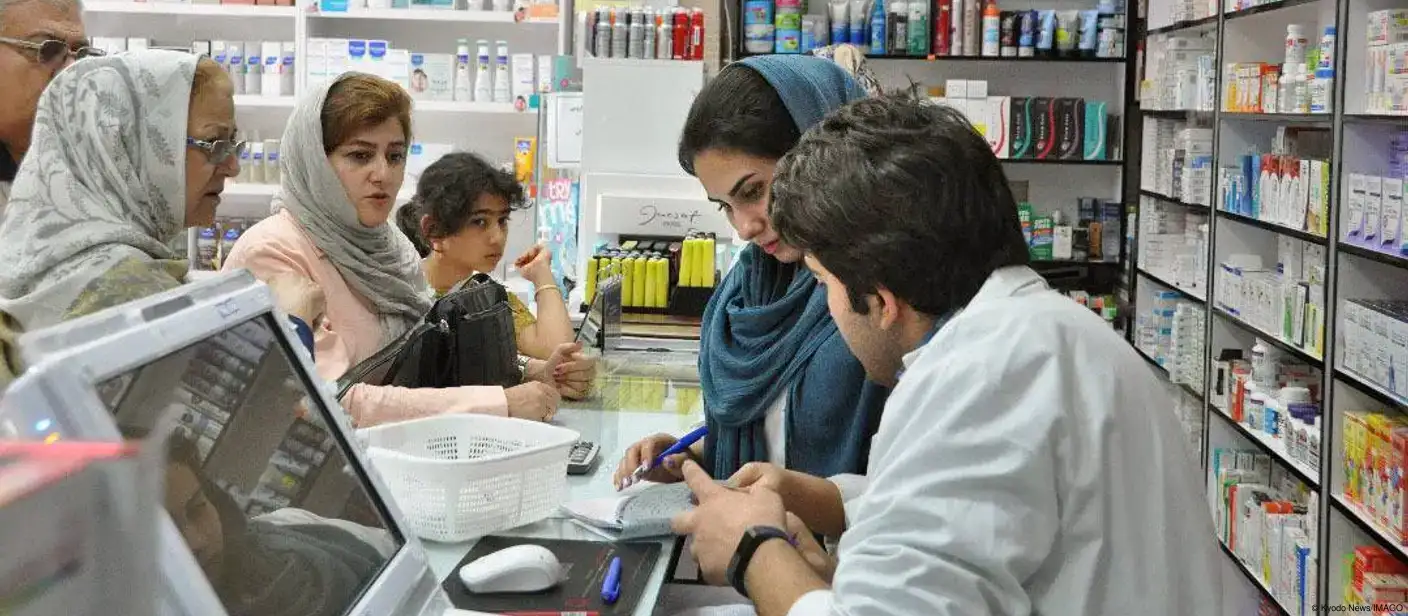
Ahmad,* 67, visited nearly 20 Tehran pharmacies for the antipsychotic drug chlorpromazine, but left empty-handed.
"When a patient has to go to this many pharmacies just to find an essential drug, you really have to ask who is responsible for supplying medicine," he told DW.
Mitra,* a 37-year-old Tehran resident with diabetes , spent days hunting for insulin. "These are not drugs I can postpone taking or simply give up," she said. "My life depends on regular access to this insulin."
Their ordeal reflects a wider crisis across Iran's health care system.
Along with Tehran residents, DW spoke with an official at Iran's Food and Drug Administration (IFDA) and pharmacy workers in Tehran, Rasht and Mahabad. The interviews were conducted anonymously or using pseudonyms as speaking with foreign media remains dangerous in Iran.
The official said that Iran's falling currency, along with price controls, has drained domestic drugmaker profits, while unpaid hospital debts have delayed deliveries.
"Add our own hospitals' heavy unpaid debts to distributors, and you can see why distribution has ground to a halt and companies are no longer supplying hospitals," the official said.
"Unless the Plan and Budget Organization makes our currency allocation realistic, banks step in with loans for drugmakers and insurers settle their debts, the Health Ministry's hands will remain tied and this disaster cannot be stopped," the official warned.