Obstetric fistula is a severe childbirth injury caused by prolonged, obstructed labour without adequate medical care, leaving women with continuous incontinence. In addition to physical pain, women with obstetric fistula often face severe stigma and isolation, carrying the heavy emotional burden of a condition they don’t realize can be cured.
In Afghanistan, access to specialized obstetric fistula treatment has long been limited to Kabul, leaving women in other parts of the country with few – if any – options to access the care they need. It is a situation that is beginning to change.
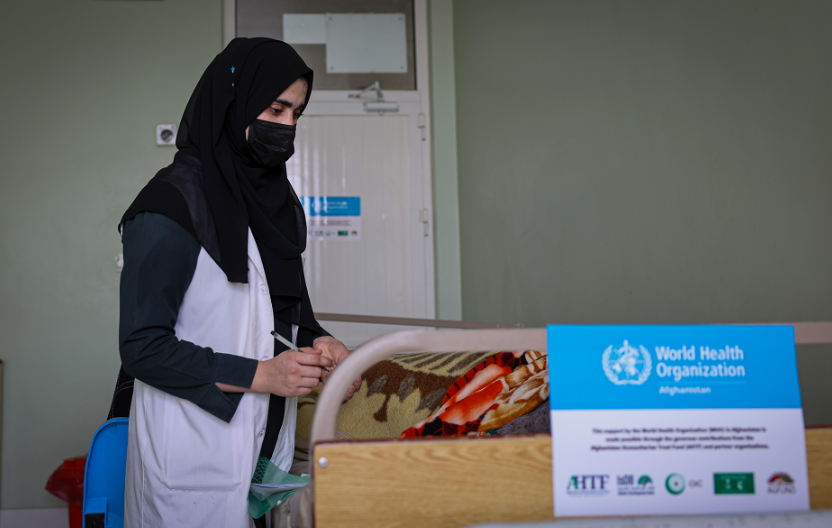
With the generous support of the Afghanistan Humanitarian Trust Fund (AHTF), the Islamic Development Bank (IsDB), the Organisation of Islamic Cooperation (OIC), the King Salman Humanitarian Aid and Relief Centre (KSrelief) and the Arab Gulf Programme for Development (AGFUND), the World Health Organization (WHO) is helping more women access specialized care.
At Rabia Balkhi Hospital in Kabul and at Mirwais Regional Hospital in Kandahar, women affected by obstetric fistula are receiving the medical attention and support they need. Since the project began in September 2025, 103 women and girls have benefited from consultations, catheterization and other treatment services.
Recovery, though, is about more than medical treatment. WHO is supporting a more comprehensive approach that addresses women's physical, emotional and social needs. So far, 61 women have received physiotherapy to help manage pelvic floor dysfunction, and 53 patients have participated in vocational training, developing skills that will help support their return to family and community life.
“For five years, I lived with this painful condition. It affected not only my physical health but also my emotional well-being, my family life and my ability to care for my loved ones. I often felt helpless and did not know where to turn or whether I would ever recover. When I heard about the specialized treatment available at a hospital in Kabul, I decided to seek help. Receiving the care and support I need has given me renewed hope that I can recover, regain my confidence and return to a normal life,” said one woman receiving obstetric fistula care at the Rabia Balkhi Hospital in Kabul.