
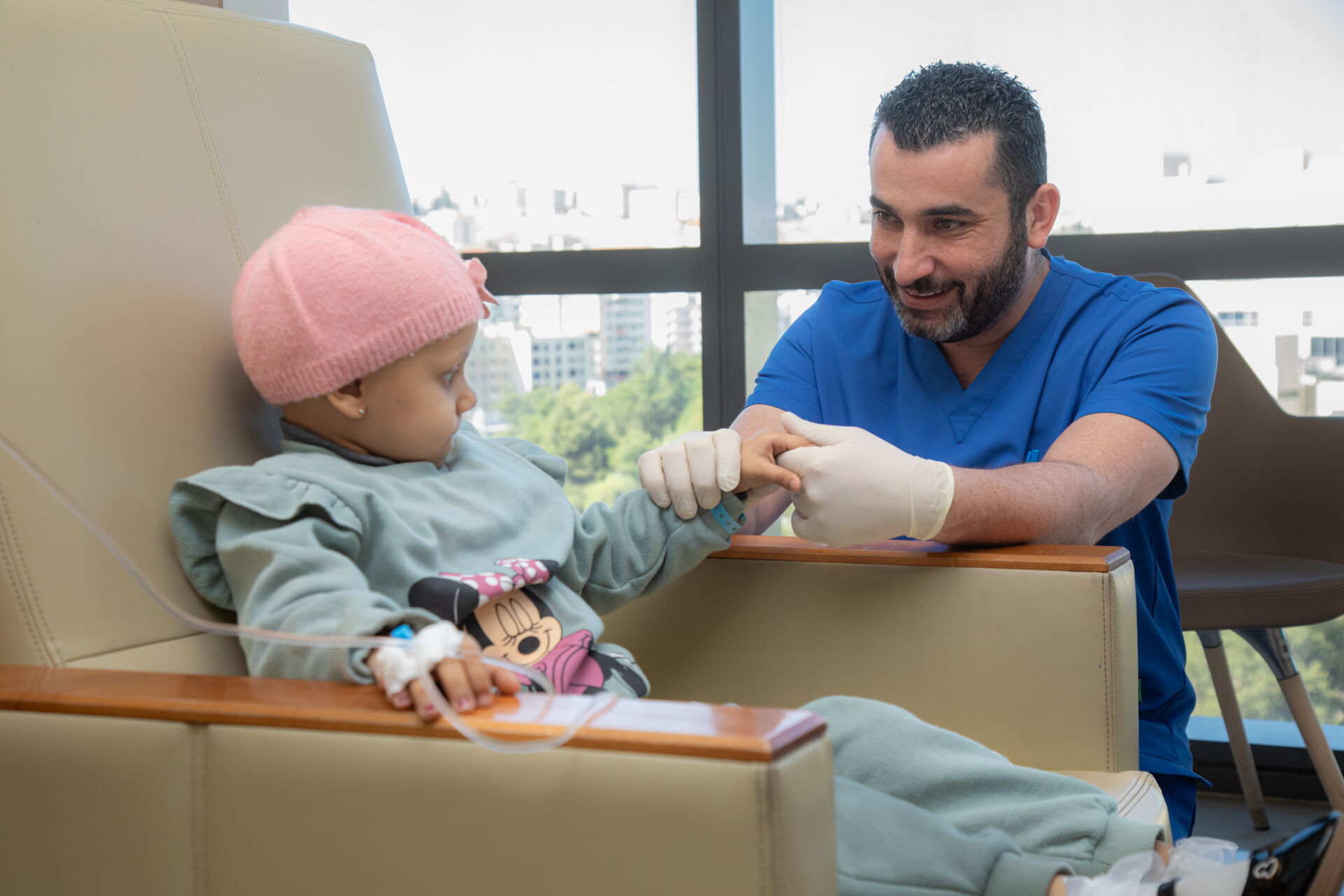
The World Health Organization (WHO) has issued its first-ever invitation for expression of interest for manufacturers of childhood cancer medicines to submit products for evaluation by the WHO Prequalification Programme.
Each year, an estimated 400 000 children and adolescents develop cancer. Close to 90% live in low- and middle-income countries, where survival remains below 30%, compared with more than 80% in many high-income countries. Limited access to quality-assured medicines and a lack of formulations suitable for children contribute substantially to this survival gap.
The invitation for expression of interest (EOI) includes twelve essential childhood cancer medicines: six prioritized medicines for which child-friendly formulations are needed and six selected because of documented access and supply gaps.
The process of identifying these products was achieved through complementary prioritization processes that included global stakeholders: one coordinated through the Global Accelerator for Paediatric Formulations (GAP‑f), hosted by the WHO Science for Health Department; and the second by the Global Platform for Access to Childhood Cancer Medicines (Global Platform), an initiative hosted at WHO’s Department of Noncommunicable Diseases and Mental Health, which is a partnership between WHO and St. Jude Children’s Research Hospital in collaboration with UNICEF and PAHO Strategic Fund.