
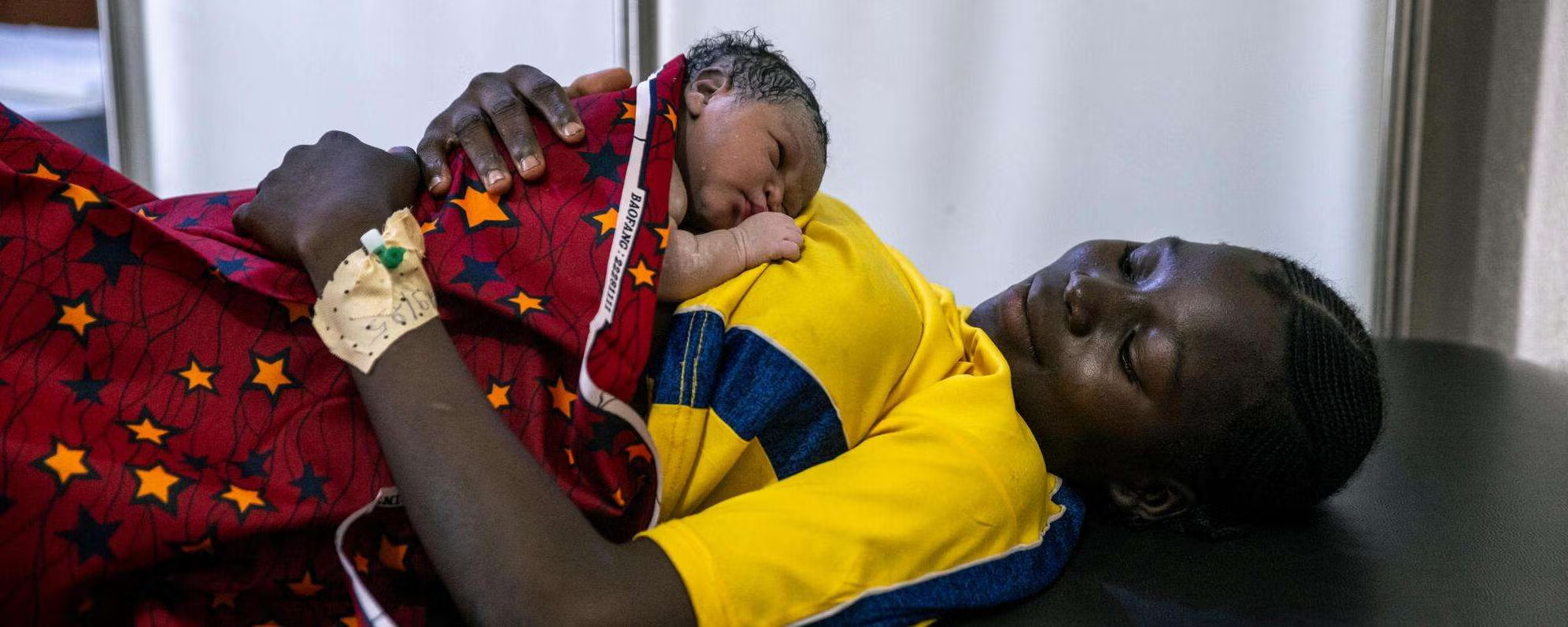
Every two minutes, a woman dies from complications of pregnancy or childbirth. Most of these deaths would be preventable with timely care.
Timely care, however, can be difficult to access in many of the countries where Doctors Without Borders/Médecins Sans Frontières (MSF) works, where violence, poverty, insecurity, and other obstacles can delay care or push it out of reach when it’s needed. For a pregnant woman with complications like eclampsia or hemorrhage, this can be life-threatening.
“When complications arise, speed is critical,” says Raquel Vives, an MSF midwife and sexual and reproductive health expert. “But predicting them isn’t always possible.”
“Maternal mortality points to many factors that generally threaten women’s health and rights — factors that often remain in the shadows,” Vives explains. Due largely to gender inequality, “women often lack the autonomy, resources, or decision-making power needed to access timely and safe care.”
The stories of MSF maternity patients from Nigeria, Central African Republic (CAR), and Bangladesh highlight the shared challenges pregnant women face around the world, even in vastly different settings thousands of miles apart.