Lebanon stands at a critical crossroads. While there has been a temporary ceasefire, the humanitarian and health crisis continues to cast a long shadow over communities across the country. Thousands of families remain displaced, homes and infrastructure have been damaged, while healthcare services continue to function across the country, with varying levels of strain in the most affected areas. Recovery is therefore no longer solely about rebuilding what was lost; it is about adapting the health system to prolonged internal displacement and sustained pressure on service delivery in both affected and hosting areas.
According to WHO’s latest Lebanon Health Sector Emergency Situation Report issued on April 20, the situation remains fragile despite the reduction in violence. Many displaced families have begun returning to their communities, only to find damaged homes, unsafe surroundings, and weakened public services. Health facilities in several areas continue to face operational challenges, including shortages of medicines, overstretched staff, and damaged infrastructure.
Although healthcare workers and humanitarian responders have been instrumental in maintaining essential health services throughout the crisis, significant needs remain. Organizations on the ground continue to emphasize the urgent need for sustained support to hospitals, primary healthcare centers, and shelters hosting displaced populations, as well as to local communities.
At the same time, while emergency support remains essential, Lebanon’s recovery must also move beyond immediate response efforts. The country now needs a coordinated health recovery agenda centered on four key priorities:
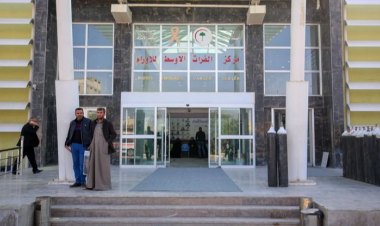
First, restoring primary healthcare services. As of April 20, WHO reports that 51 Primary Health Care Centers (PHCCs) remain closed, while eight PHCCs are operating with limited services focused mainly on chronic disease management and emergency care. This has increased pressure on the remaining functional facilities and affected service availability, particularly in areas of return. Communities need functioning centers that provide routine consultations and chronic disease care. Strengthening primary care is therefore essential to reduce pressure on hospitals and ensure services are available closer to affected populations.