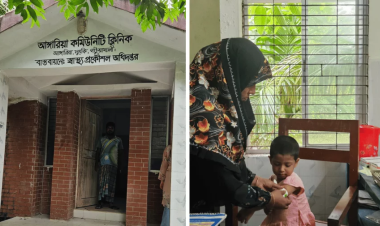
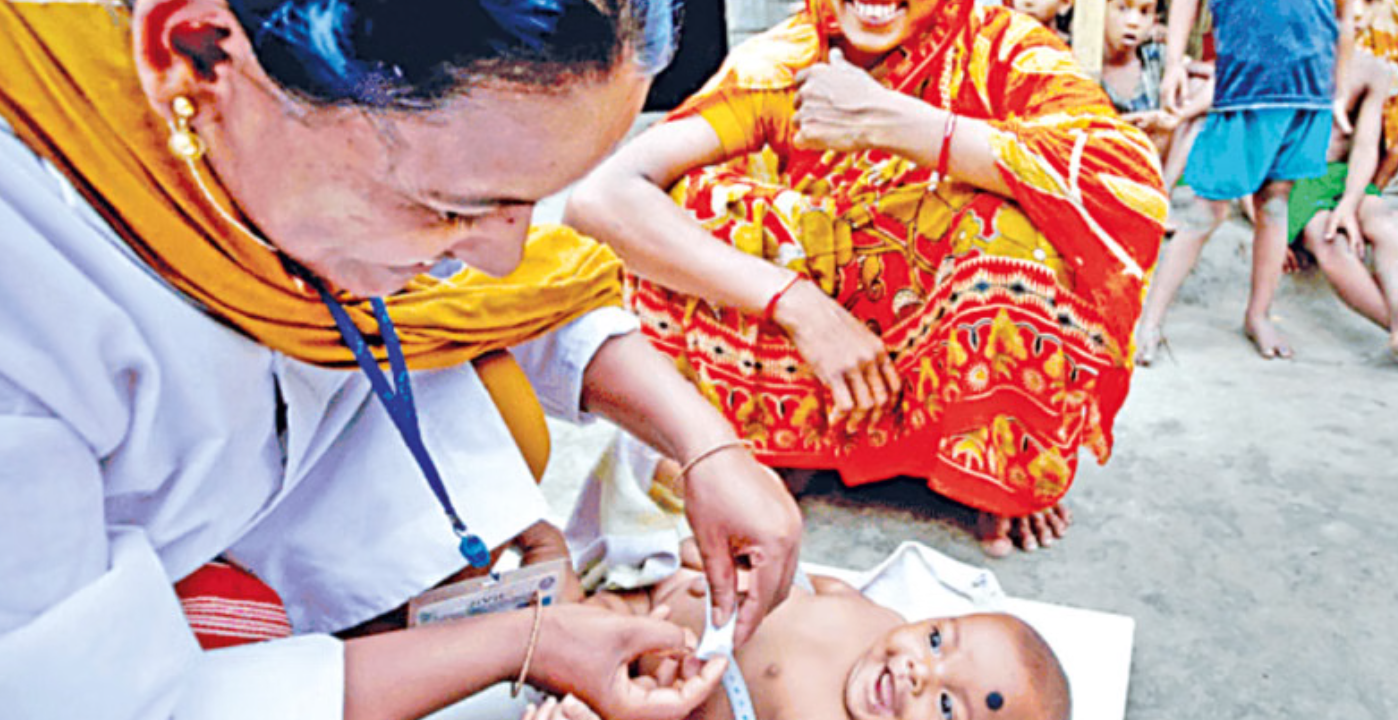
In the near future, perhaps in a tin-roofed clinic in Kurigram, a 28-year-old health worker named Salma Begum might press a smartphone against a coughing toddler's chest. The device's screen could flicker, then display a message in Bangla:
"সম্ভাব্য নিউমোনিয়া (Possible pneumonia detected). Seek care immediately."
She exhales in relief. There isn't a doctor for miles—the nearest physician is two hours away by bus—but this tiny Artificial Intelligence (AI)-assisted tool might just save the boy's life. Salma gently instructs the boy's mother to begin the journey to the district hospital.
A decade ago, Salma would have had to guess the child's illness. In this imagined future, an algorithm on her phone listens to the raspy breathing and guides her next steps.
This isn't happening yet—but it could. Salma's story represents the promise of a technology-led future where artificial intelligence becomes the new village health assistant, filling gaps in a rural healthcare system long in distress. Before exploring how such a transformation might unfold, we must first understand the scale of the challenge.