
Hepatitis B is preventable through vaccination, and highly effective and affordable treatments for both hepatitis B and C are now available in generic form. Yet the World Health Organization (WHO) reports that mortality related to hepatitis B and C virus infections is the only instance where deaths from a communicable disease are increasing globally.
WHO has set global targets for elimination of the diseases. But in Afghanistan, where years of instability have taken a toll on the health system, hepatitis B and C often remain invisible. The diseases don’t always show clear signs at first, meaning many people live with them for years without knowing. By the time they do find out, it’s often too late.
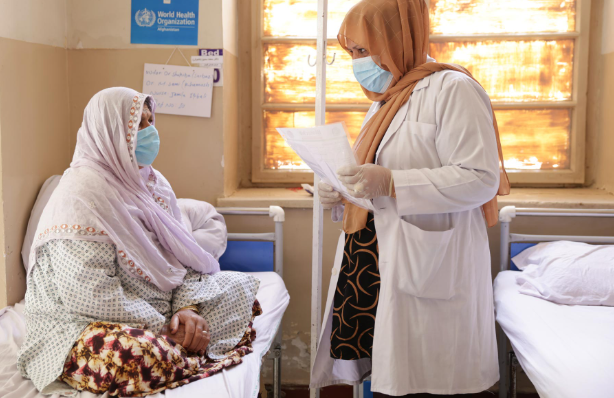
Take 52-year-old Bibi Maryam from Gardiz, Paktia province. She thought her constant tiredness and stomach pain were just stress. “I never imagined it was something serious,” she said, lying on her bed at the National Infectious Disease Hospital in Kabul. “I didn’t even know what hepatitis B was.”