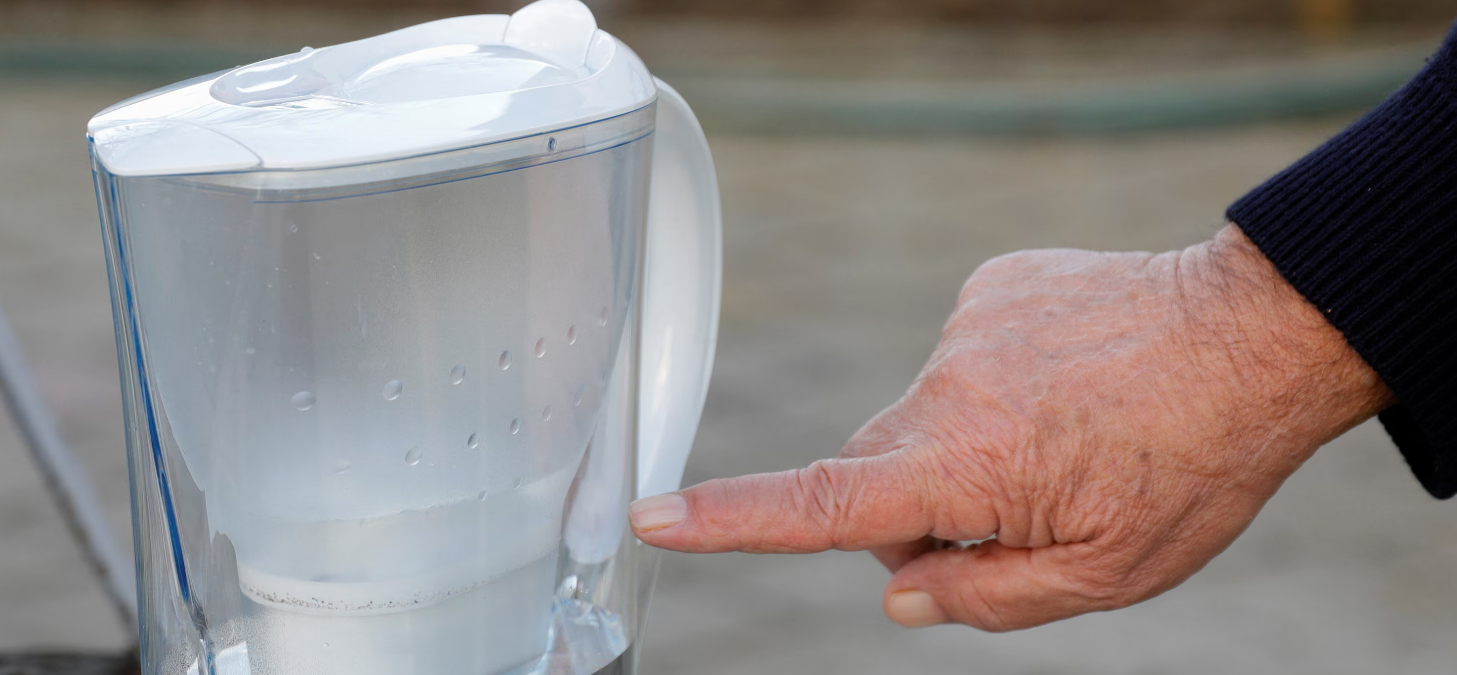
Despite gains since 2015, one in four – or 2.1 billion people globally – still lack access to safely-managed drinking water, according to a report from the World Health Organization (WHO) and UNICEF.
The WHO defines safely-managed drinking water as "water from an improved source that is accessible on premises, available when needed, and free from faecal and priority chemical contamination".
Since 2015, 961 million people have gained access to safely-managed drinking water services, but major gaps still persist in access.
The authors state that people living in low-income countries, fragile contexts, rural communities, as well as children and minority ethnic and indigenous groups, face the greatest disparities in access to safe drinking water.
People in least-developed countries are more than twice as likely as people in other countries to lack basic drinking water and sanitation services.