As Bangladesh enters 2026, the country’s public health system finds itself facing a familiar yet worsening reality. Each year, new challenges emerge, but some crises no longer arrive as isolated shocks.
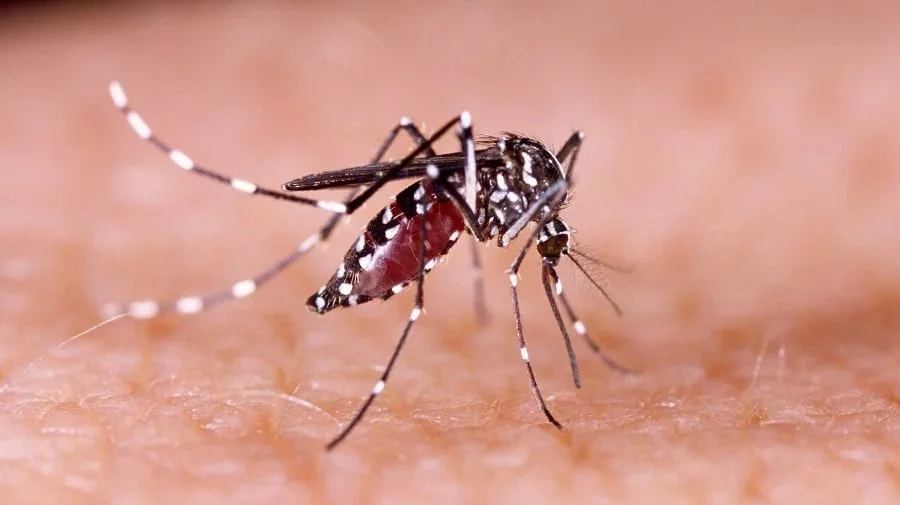
Instead, they unfold together, feeding into each other and exposing deeper structural weaknesses. Among these, extreme heat and dengue now stand out as a twin crisis, two public health threats that cannot be addressed separately, yet continue to be managed as if they were.
Bangladesh is no stranger to heat. But in recent years, the country has moved from uncomfortable summers to prolonged and increasingly dangerous heatwaves. Urban temperatures in cities now regularly cross levels that strain the human body, especially for outdoor workers, the elderly, pregnant women, and people with chronic illness.
Heat exhaustion, dehydration, kidney stress, cardiovascular diseases, and reduced work capacity are no longer rare or incidental outcomes; they are becoming routine features of the summer months.
The World Bank has cautioned that extreme heat in Bangladesh should no longer be seen as a short-term seasonal discomfort. It has pointed out that rising temperatures are already affecting people’s health and daily productivity, with broader consequences for the country’s economic stability and long-term prosperity.
It has also emphasized that Bangladesh will need a coordinated, cross-sector response, building on its past experience with climate adaptation to safeguard sustainable growth.