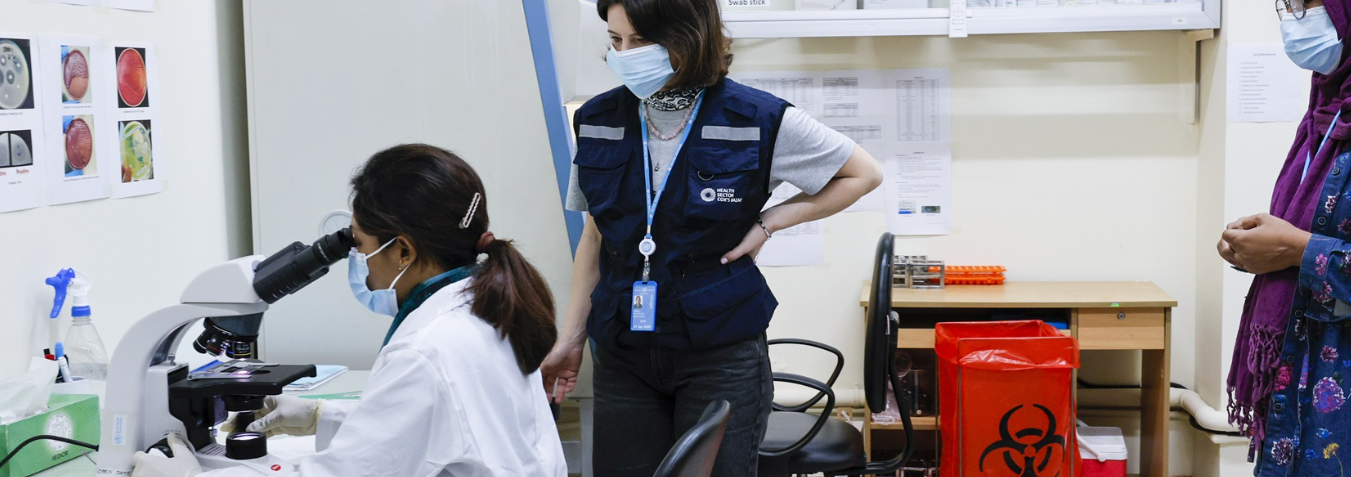
On 14 July 2026, Bangladesh formally inaugurated its National International Health Regulations Authority (NIA), strengthening the country's capacity to prevent, detect and respond to public health emergencies through enhanced coordination across government.
The inauguration, organized by the Ministry of Health and Family Welfare (MoHFW) with support from the World Health Organization (WHO), marks a significant milestone in Bangladesh's implementation of the 2024 amendments to the International Health Regulations (2005) (IHR). The NIA will provide strategic leadership and oversight, strengthen coordination across government, and advise on national priorities and resource mobilization to enhance the country's health security.
"Health security is not the responsibility of the health sector alone. Public health emergencies, whether caused by infectious diseases, natural disasters, climate change, chemical incidents or other hazards require a coordinated, whole-of-government approach,” said Ms Sheikh Momena Moni, Additional Secretary (World Health Wing), MoHFW. “The effective implementation of the IHR depends on the active engagement of all ministries and agencies, each contributing its unique expertise and mandate to strengthen Bangladesh's preparedness and response capacities."
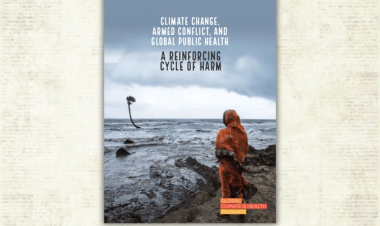
Bangladesh is among the world's most disaster- and climate-vulnerable countries. Frequent floods, cyclones, heatwaves and other climate-related hazards, combined with a high population density, cross-border population movement and the continued risk of infectious disease outbreaks, place sustained pressure on the country's public health system and require strong national preparedness and coordinated action across government.