Bangladesh is taking concrete steps to build a more capable and coordinated health workforce to prevent, detect and respond to public health emergencies, led by the Institute of Epidemiology, Disease Control and Research (IEDCR) with support from the Pandemic Fund, World Health Organization (WHO) and partners.
Three initiatives in 2026 are targeting different but connected parts of the emergency health workforce: strengthening One Health field epidemiology competencies among the human health and animal health workforce; improving the capacity of community workforces involved in emergency management; and developing leadership capabilities among laboratory professionals.
“Effective preparedness depends on having the right skills and connections at every level, from community health workers who may be the first to identify a threat, to epidemiologists who investigate it and laboratory professionals who help identify its cause,” said Dr Quazi Ahmed Zaki, Director, IEDCR. “By strengthening these capabilities and the links between them, Bangladesh can detect risks earlier and respond faster when emergencies occur.”
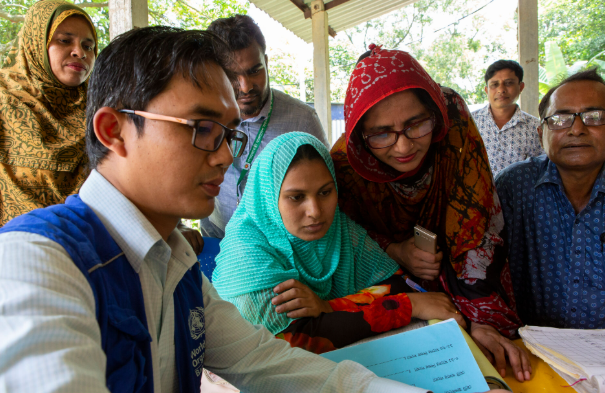
From 27–30 September, IEDCR and WHO held Bangladesh’s first Competencies for One Health Field Epidemiology Mentorship Workshop in Gazipur, bringing together 29 mentors, field epidemiologists and other stakeholders from the human, animal and environmental health sectors.
The workshop used practical exercises, group discussions and experience sharing to strengthen mentorship within Bangladesh’s field epidemiology programme and support the development of a structured, competency-based mentorship system that follows a One Health approach. Participants will be better equipped to help field epidemiology teams translate classroom learning into the practical skills needed to investigate and respond to emerging health threats in an increasingly complex and changing disease environment.
“Disease threats do not stop at the boundaries between human, animal and environmental health. An outbreak may first appear in animals, people or the environment, but understanding how it spreads requires investigation across all three,” said Dr Anthony Eshofonie, Team Lead, Health Emergencies, WHO Bangladesh. “To do this, field epidemiologists must be able to draw on evidence from across sectors, identify the source of the threat and guide an effective response.”