More than 8.8 million children in Afghanistan are exposed to at least three overlapping climate hazards, according to UNICEF’s new Children’s Climate Risk Report 2026, underscoring the urgent need to strengthen climate-resilient services for children and families across the country.
The report, launched today, finds that nearly half of the world’s children are now exposed to at least three overlapping climate hazards, threatening their health, education and survival.
In Afghanistan, the risks are both widespread and deeply interconnected. Around 21 million children live in the country, and more than 8.8 million of them – 41 per cent of children - are exposed to at least three overlapping climate hazards. These include floods, droughts, heatwaves, extreme heat, as well as sand and dust storms.
Afghanistan also ranks highest in South Asia for child vulnerability. This reflects the severe gaps in the essential services children need to cope with, adapt to and recover from climate shocks.
“Children in Afghanistan are already living on the frontlines of the climate crisis,” said Dr. Tajudeen Oyewale, UNICEF Representative in Afghanistan. “What makes this especially dangerous is that climate hazards are overlapping with high child vulnerability. Strengthening climate-resilient health, nutrition, WASH, education, child protection, as well as social protection systems and services is critical to protect children today and safeguard their future.”
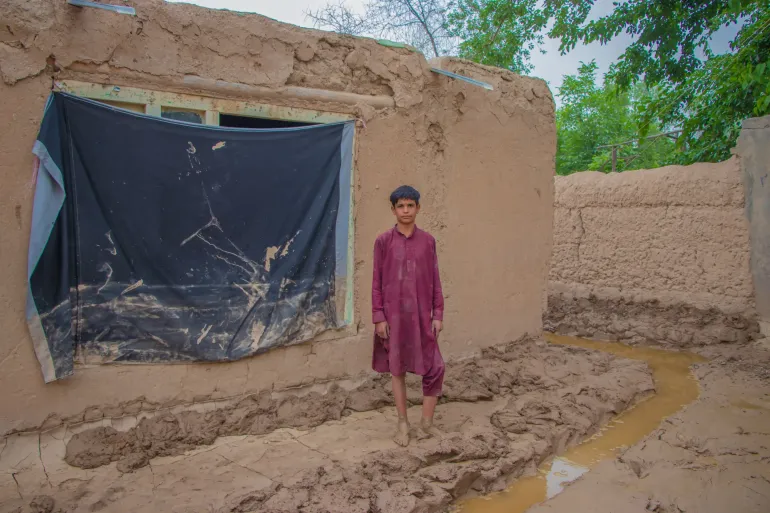
According to the report, more than 75 per cent of children in Afghanistan are exposed to drought, more than 50 per cent to longer and more frequent heatwaves, and more than 1.7 million children to riverine floods. For children, these hazards are not abstract environmental risks. Droughts, floods, extreme heat and dust storms are disrupting the services children rely on to survive, learn and stay healthy.
In Afghanistan, nutrition-related vulnerabilities make these climate hazards even more dangerous. Children in the country are already facing high levels of acute malnutrition, with millions of children under five expected to need treatment for wasting this year. Droughts, floods and extreme heat weaken food systems and reduce access to safe water which both lead to acute malnutrition. Almost half of children in the country live in severe child food poverty, while gaps in immunisation, sanitation and hygiene further increase risks for already vulnerable ones.
Education, child protection and social protection services are equally critical. Safe and climate-resilient schools can help children continue learning during climate shocks. Child protection services can reduce risks linked to displacement, family separation, child labour and other harmful coping mechanisms. Shock-responsive social protection can help vulnerable families recover without resorting to decisions that harm children’s wellbeing and future.