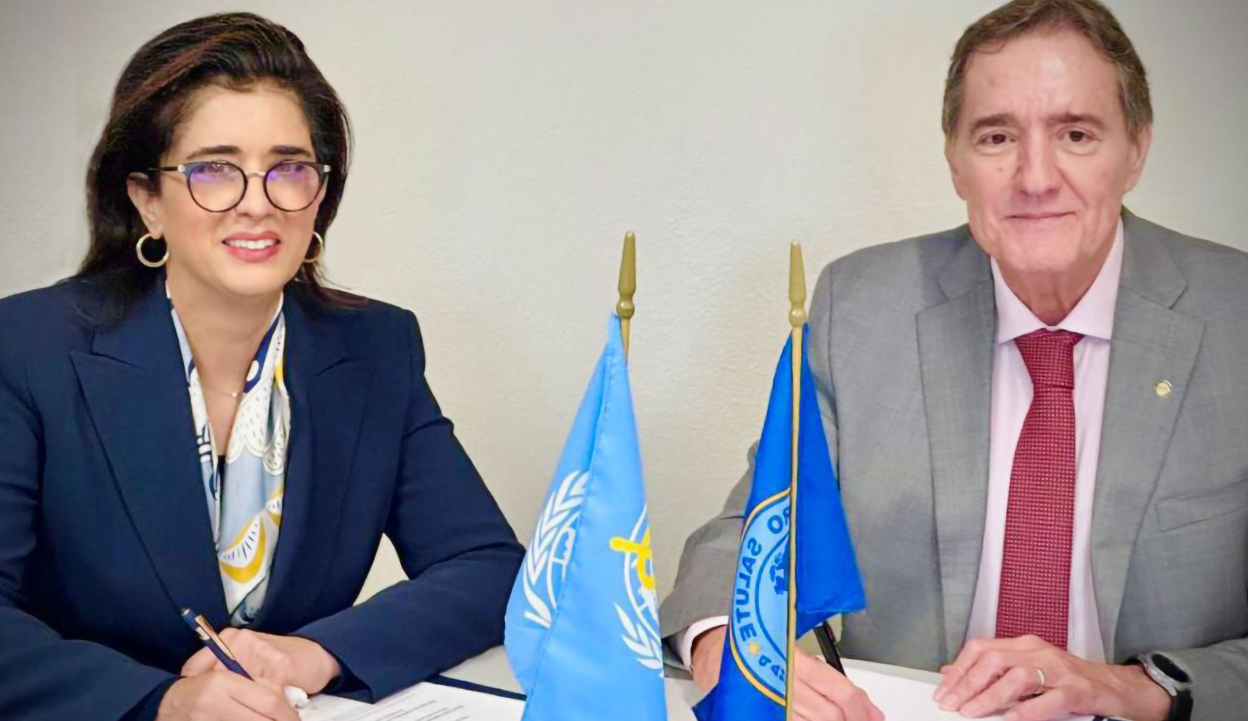
WHO’s Regional Office for the Eastern Mediterranean (EMRO) and the Pan American Health Organization (PAHO) have signed a Memorandum of Arrangement to strengthen collaboration on making hospitals safer and better prepared for health emergencies and disasters. At a time of growing instability and constrained resources, this collaboration positions hospitals as a dependable anchor for communities, ensuring they remain open, functional, and capable of delivering life-saving care when it matters most.
“Hospitals across the Eastern Mediterranean Region are under immense strain, and in too many settings, they are directly under attack,” said Dr Hanan Balkhy, WHO Regional Director for the Eastern Mediterranean. “Our Region includes some of the world’s most fragile humanitarian contexts and is home to more than half of all people in need of humanitarian assistance. It accounts for 40% of global attacks on health care. Strengthening hospital resilience in this context is essential to saving lives and sustaining critical services during crises.”
The agreement between EMRO and PAHO will implement the Resilient Hospitals Operational Framework, a practical approach that helps countries prepare health facilities to continue operating during emergencies, across the disaster risk management cycle, applying an all-hazards approach to ensure hospitals remain safe, functional, and able to deliver essential services before, during, and after emergencies. The collaboration will support joint tools and guidance, capacity-building, and coordinated resource mobilization to help countries reinforce infrastructure, protect health workers, and secure critical supplies.
“No region is immune to emergencies,” said Dr. Jarbas Barbosa, PAHO Director. “Through this partnership, we are strengthening our collective capacity to anticipate, absorb, adapt, and recover to shocks before they become crises. By combining our technical expertise and targeted support to priority countries, we are transforming that commitment into measurable action on the ground by sustaining essential health services when populations need them most.”