The escalation of conflict in the Middle East has had dire consequences for the people of Lebanon.
On March 2, Hezbollah forces in Lebanon launched rocket and drone attacks toward Israel. In response, Israeli forces unleashed a relentless bombing campaign across several areas of Lebanon.
Israeli strikes on densely populated areas have killed and injured civilians, including medical workers responding to provide emergency assistance. Israeli evacuation orders have displaced more than 1 million people — one-fifth of Lebanon’s population. Hundreds of thousands of people remain without proper shelter and in dire living conditions. Many have been cut off from health care at a time of spiraling medical and mental health needs.
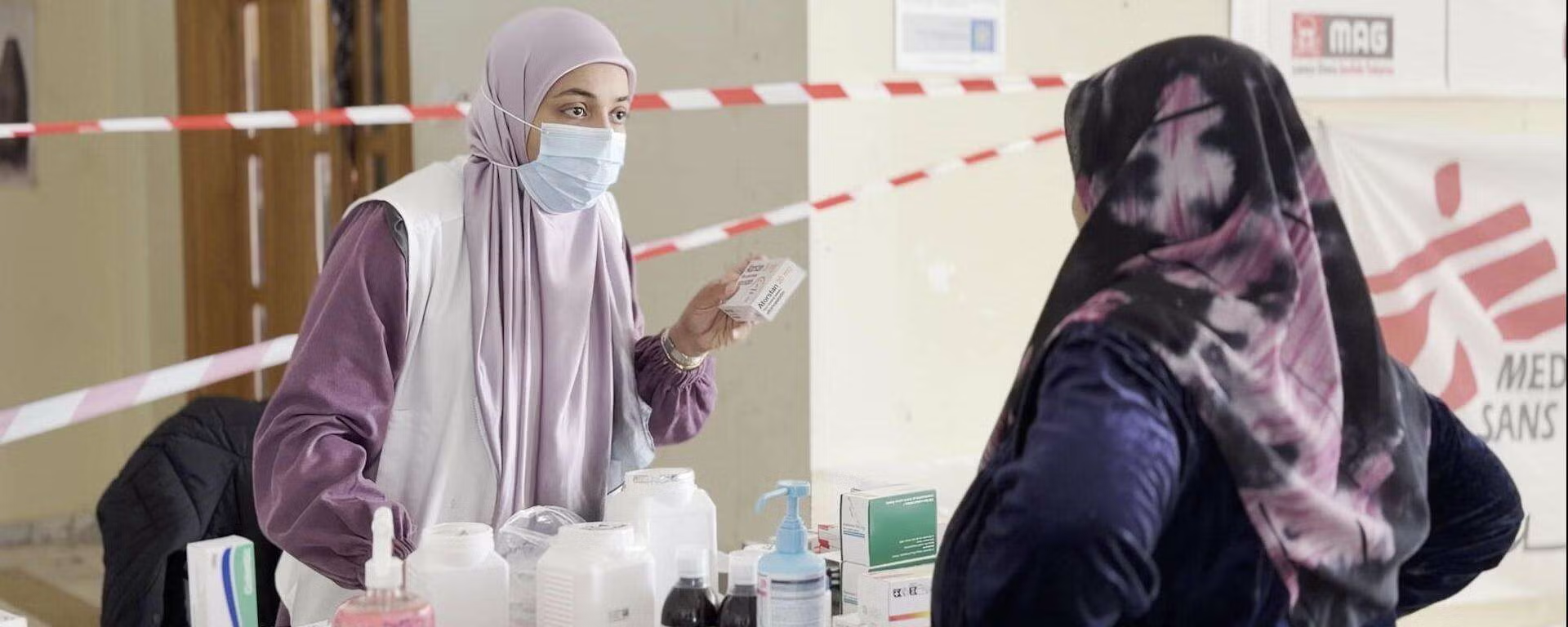
Doctors Without Borders/Médecins Sans Frontières (MSF) has been providing medical humanitarian aid in Lebanon since 1976, and our teams on the ground quickly responded to the escalating conflict, including in the heavy-hit southern region of the country and the capital, Beirut. Here’s the latest.
Lebanon is facing a severe humanitarian crisis after Israeli forces escalated their attacks and bombardment in early March. Thousands of people have been killed or injured, including by Israeli forces’ indiscriminate attacks on densely populated areas. Large-scale forced evacuation orders by Israeli forces cover around 14 percent of the country. As a result, over 1 million people have been forcibly displaced, with many families repeatedly fleeing their homes and shelters, often with nowhere to go.
A temporary ceasefire went into effect on April 17, but a fragile sense of relief is overshadowed by uncertainty and caution. The earlier so-called ceasefire — which lasted from November 2024 to March 2026 — was marred by ongoing Israeli airstrikes.
The humanitarian and medical needs of hundreds of thousands of people in Lebanon remain overwhelming. Many people have lost their loved ones, homes, and livelihoods.