The Director-General of the Food and Agriculture Organization of the United Nations (FAO), QU Dongyu, on Friday urged Member Countries to reinforce global partnerships to prevent and control transboundary animal diseases (TADs), warning they are one of the most urgent threats to global food security and economic stability.
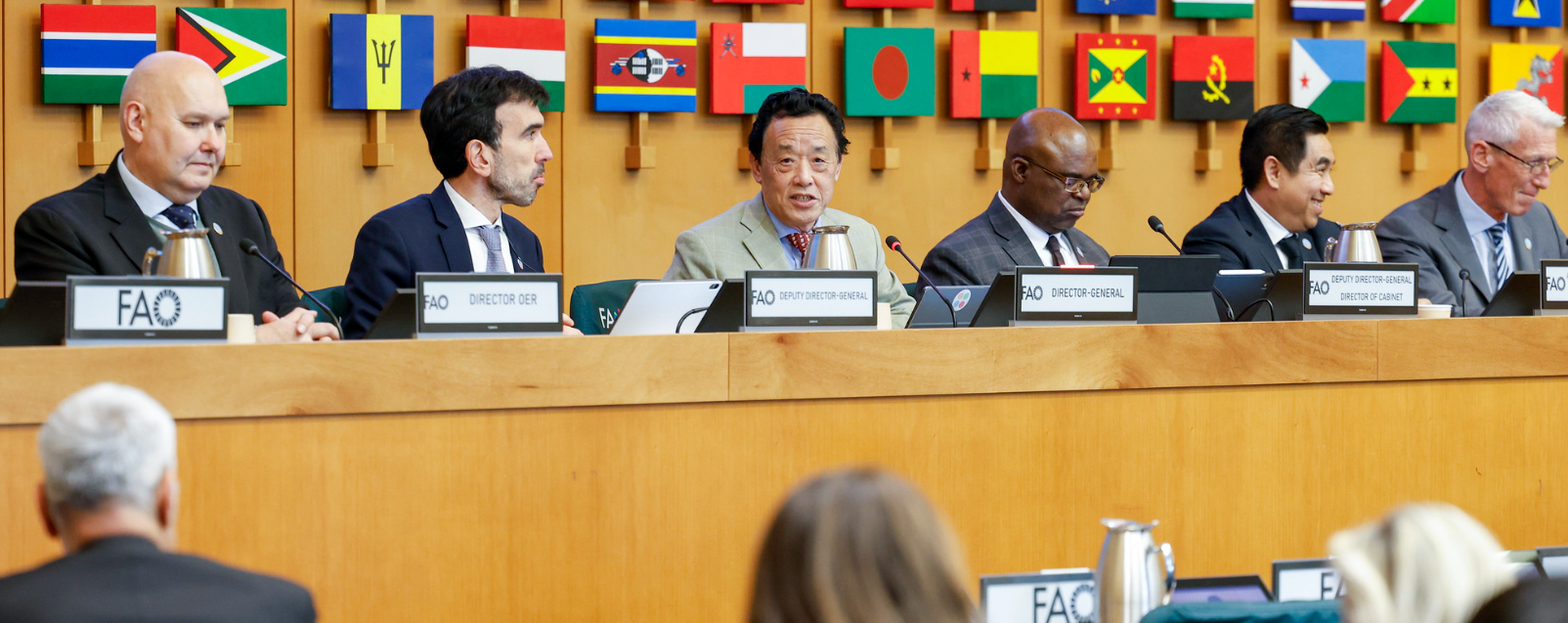
Speaking at an Information Session on the new Global Partnership Programme for Transboundary Animal Diseases (GPP-TAD) at FAO headquarters in Rome, Qu cautioned that recent funding cuts risk undermining decades of progress in managing and responding to these diseases when global risks are intensifying.
For more than 20 years, the Emergency Centre for Transboundary Animal Diseases (ECTAD) has served as FAO’s operational backbone on animal health, supporting more than 50 countries and consistently demonstrating that prevention costs far less than responding to crises.
“We cannot afford to destroy what has taken decades to build,” Qu said. “The cost of prevention is far lower than the cost of inaction.”
A growing global threat
TADs are highly contagious diseases that cross borders rapidly. As animals and humans live in closer proximity and global movements increase, these diseases are spreading faster - from animal to animal, farm to farm, and country to country.
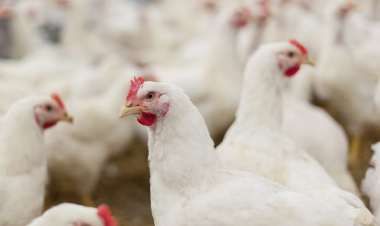
Recent major outbreaks include African swine fever, which since 2007 has spread to over 50 countries across Africa, Europe, Asia, and the Americas; Foot-and-Mouth Disease (FMD), endemic in Africa and the Near East but causing a major outbreak in Europe in 2025; and Highly Pathogenic Avian Influenza.
The global farmed animal sector, valued at USD 1.6–3.3 trillion, faces severe risk from TADs. Annual livestock losses range from USD 48–330 billion, with aquaculture experiencing an additional USD 10 billion in yearly disease-related losses. In endemic regions alone, FMD outbreaks, as an example, lead to an estimated USD 21 billion per year in lost production and vaccination costs.