In line with this year’s World Rabies Day theme, “Act Now: You, Me, Community”, the Global Alliance for Rabies Control (GARC) and Gavi, the Vaccine Alliance (Gavi) are calling for shared responsibility, strong advocacy and inclusive planning to ensure that voices from all levels – national to community – shape countries’ rabies control priorities.
With rabies being a serious public health problem in more than 150 countries, mainly in Asia and Africa, causing tens of thousands of deaths each year, communities are making meaningful progress aimed at prevention.
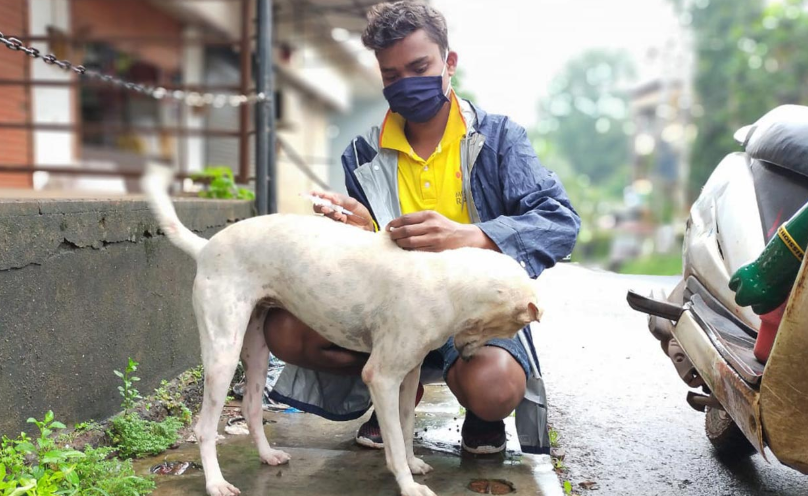
Innovative initiatives like GARC’s Communities Against Rabies highlight the importance of vaccinating dogs, educating the public and conducting surveillance to reduce transmission in high-risk settings. These efforts also demonstrate how structured capacity-building can drive impact. Teachers, health workers, and local stakeholders are raising awareness and monitoring bite cases using GARC’s digital and educational toolkits. Their message to the global community is clear: empowered communities are essential to ending rabies.
Despite these efforts, a significant number of people continue to suffer bites from unvaccinated dogs. Post-exposure prophylaxis (PEP) remains critical, as 99% of human rabies deaths are caused by dog-mediated transmission. Yet, many bite victims cannot access or afford PEP – turning a preventable incident into a potential death sentence. This does not have to be the reality.