Médecins Sans Frontières (MSF) is alarmed by the dramatic escalation in conflict across the Middle East region, following strikes by US and Israeli forces in Iran and Iran’s subsequent retaliatory actions in several countries. MSF is adapting our programmes to respond, and we are closely monitoring the rapidly evolving humanitarian needs.
Across the region, the escalation in violence has brought fear to the lives of millions of people. Bombing continues across multiple cities and villages, often hitting densely populated areas, and casualties are mounting. MSF calls for the protection of civilians, hospitals, health facilities, and other essential infrastructure, at all times.
In Lebanon, thousands of people have been displaced.
“The escalation in conflict comes after 15 months of a ‘ceasefire agreement’ that never brought real safety for people in Lebanon,” says Francesca Quinto, MSF programme manager. “The latest strikes and evacuation orders to all of Beirut’s southern suburbs, and almost all of the south of the country, are now forcing even more people to flee. And there is nowhere safe to go.”
For many people in southern Lebanon and other areas of the country, evacuation orders mean reliving the trauma of displacement all over again.
“Families who were slowly beginning to recover from previous fighting are being told to leave their homes,” says Quinto. “Some have been stranded on the roads with children, elderly relatives, and sick family members, facing extremely harsh conditions.”
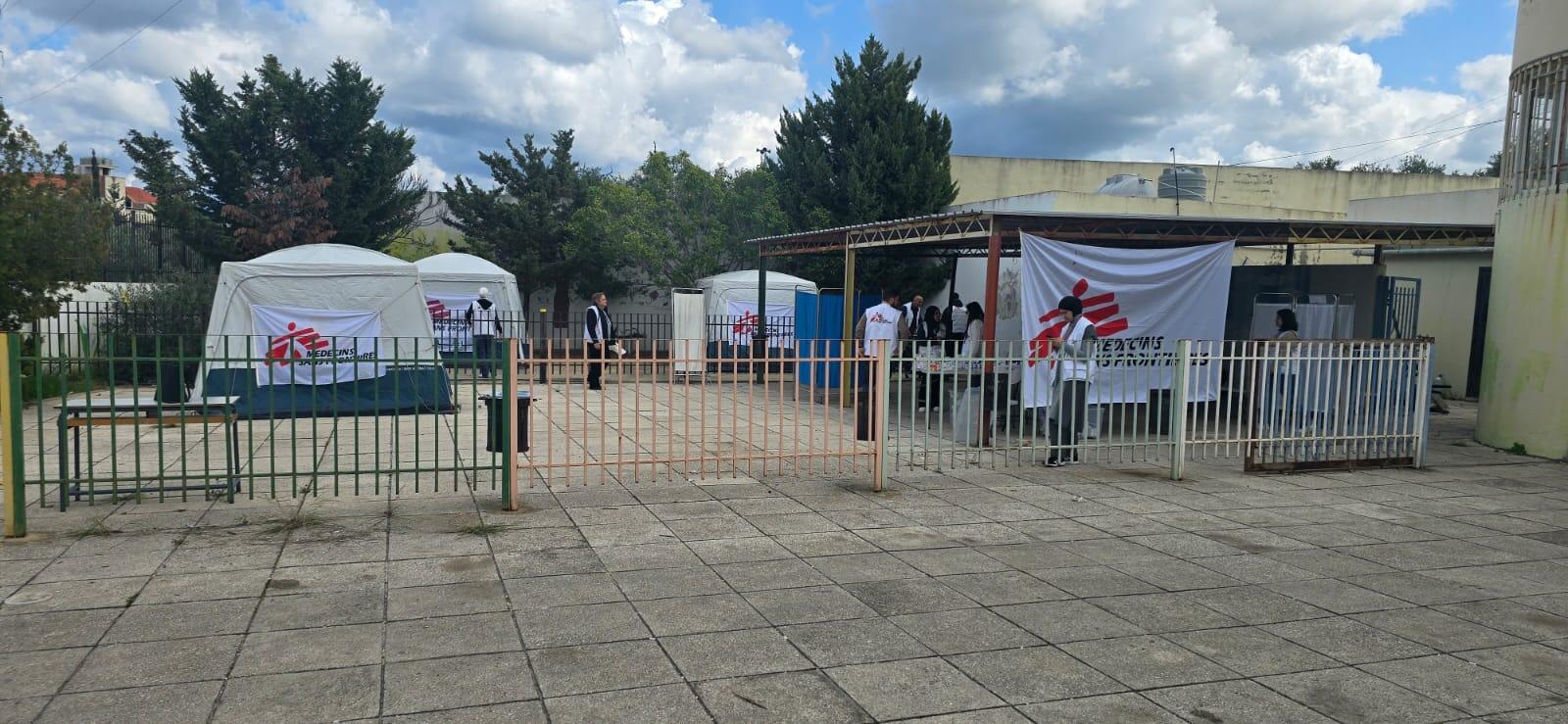
Our teams in both Iran and Lebanon are currently confirmed safe, and we are monitoring developments and assessing how to provide support to the people affected. We have medical supplies in both countries ready to be used or distributed.
Before 28 February, when the escalation began, MSF had been running three projects in Iran, providing essential healthcare to marginalised people. This included providing 6,000 medical consultations per month, as well as midwifery care, infectious disease screening and treatment, and mental health support. Although airstrikes have created operational challenges, and despite the communication blackout, MSF has so far been able to continue some activities.
Receiving information from our staff is extremely difficult. Our clinic in Tehran remains temporarily closed due to heavy bombing, while our clinics in Mashhad and Kerman are still open, operating with reduced staff. Our teams are seeking authorisation from authorities to scale up emergency care support in response to conflict-related needs – including opening our clinics 24/7 and supporting the local health system – and are awaiting a response.