The Iraqi Ministry of Health announced on Monday that the number of deaths from viral haemorrhagic fever has risen to 30 out of 231 confirmed cases since the start of 2025.
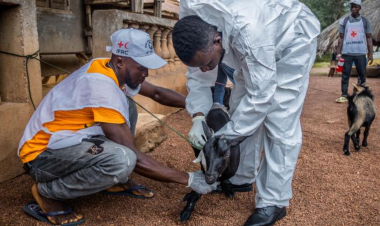
The ministry urged the public to adhere to hygiene measures when handling livestock, as this helps prevent the transmission of the virus.
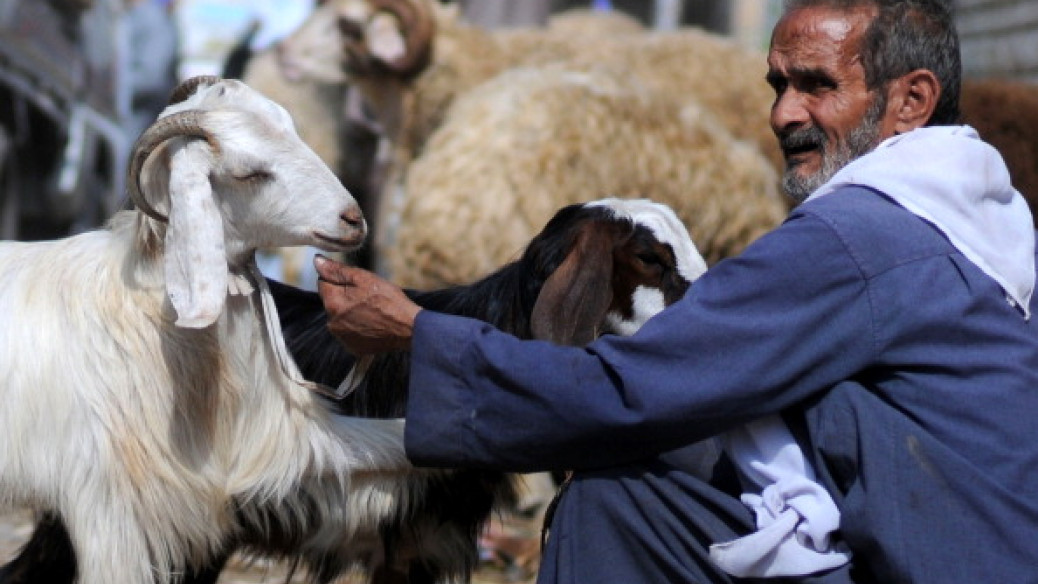
Crimean-Congo haemorrhagic fever is transmitted to humans either through tick bites or through contact with the blood or tissues of infected animals during or immediately after slaughter.
On 12 June, Iraq had reported 19 deaths from the disease out of 123 cases recorded since the beginning of the year. Speaking to reporters on Monday, Health Ministry spokesperson Saif al-Badr said, "The cumulative total for 2025 is 231 confirmed infections, including 30 deaths," six of which were in the capital, Baghdad.
"The viral haemorrhagic fever is a transmissible illness between animals and human beings. The fever may be directly transmitted from an animal to human beings and then from humans to humans through direct contact with the patient's blood and other discharges. The fever is transmitted by a type of bug called Hyalomma during warm and humid seasons," Shalaw Arif Rasheed, a veterinary expert, told The New Arab. "In the second week, the patient shows signs of bleeding, and the death rate from this virus is above 50 per cent."