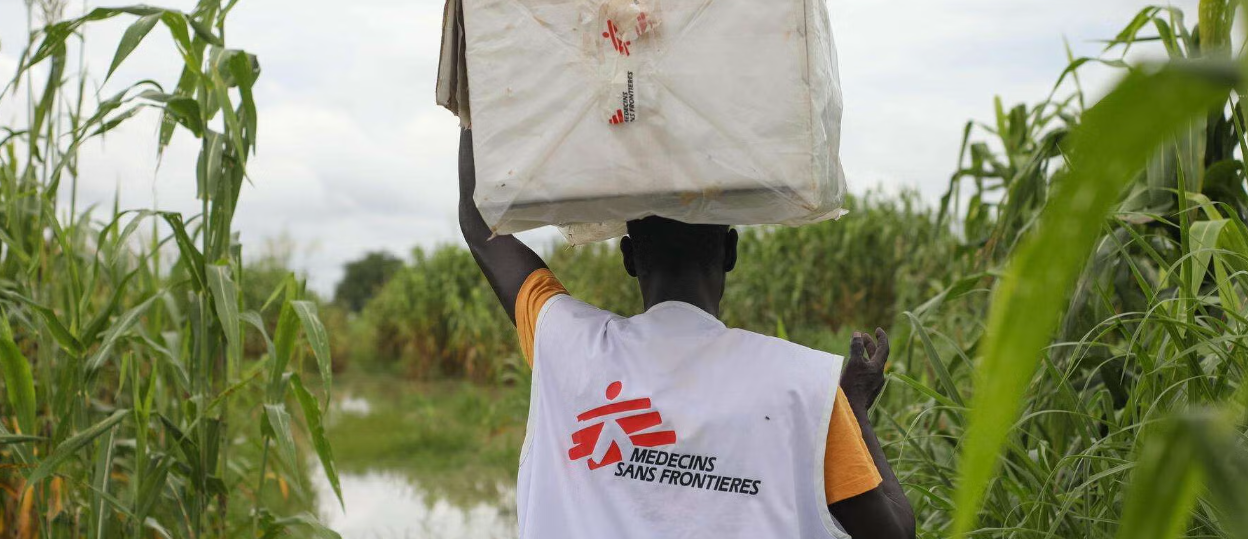
To be more environmentally responsible, Doctors Without Borders/Médecins Sans Frontières (MSF) has committed to reducing our carbon and environmental footprint, including by cutting our carbon emissions by at least 50 percent by 2030.
This will not only be good for the environment but will also strengthen the resilience of our activities and improve the continuity and quality of our medical programs. To help meet this goal, MSF teams have been implementing a wide variety of solutions and initiatives to reduce emissions and pollutive practices over the last three years.
It is possible to change ways of working for the better, even in remote humanitarian settings. Here’s how.
As health care providers, MSF responds to the health impacts of climate change, such as malnutrition, malaria, and dengue. But we are also responsible for contributing to the problem: Our activities generate carbon emissions, which cause global heating, pollute the air and water sources, and impact the availability of water in areas where it is already scarce.
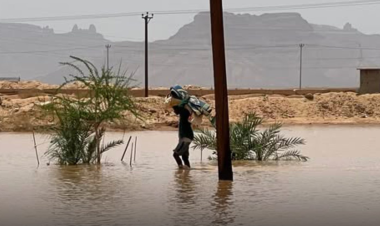
The environmental impacts, in turn, bring consequences for people’s health. For example, more frequent and intense extreme weather events like floods and cyclones can contribute to the spread of diseases like malaria and dengue, while difficulties producing food in a more hostile climate can increase malnutrition.
As health professionals, we have an ethical obligation to ‘do no harm’ to people and the planet. That’s why MSF has committed to taking action to reduce our environmental footprint.