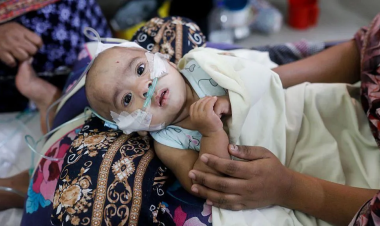
Bangladesh is once again facing a public health threat that is both familiar and preventable. Since early January 2026, the country has seen a surge in measles cases, with thousands of suspected infections and a rising number of deaths. What is particularly concerning is where this outbreak began and continues to intensify: the Rohingya refugee camps in Cox’s Bazar. The camps are extremely overcrowded, hosting over 1.1 million refugees (UNHCR, December 31, 2025), around 190,000 of whom are children under five years of age. This demographic and living context creates conditions highly conducive to the rapid spread of a contagious disease like measles. The background of Rohingya refugees further amplifies vulnerability, as they arrived in Bangladesh with extremely low measles immunity. Many children had never been vaccinated due to long-standing gaps in immunisation in Rakhine State, creating a large susceptible population that rapidly fuelled the 2017 measles outbreak, with over 1,700 suspected cases within months of their displacement.
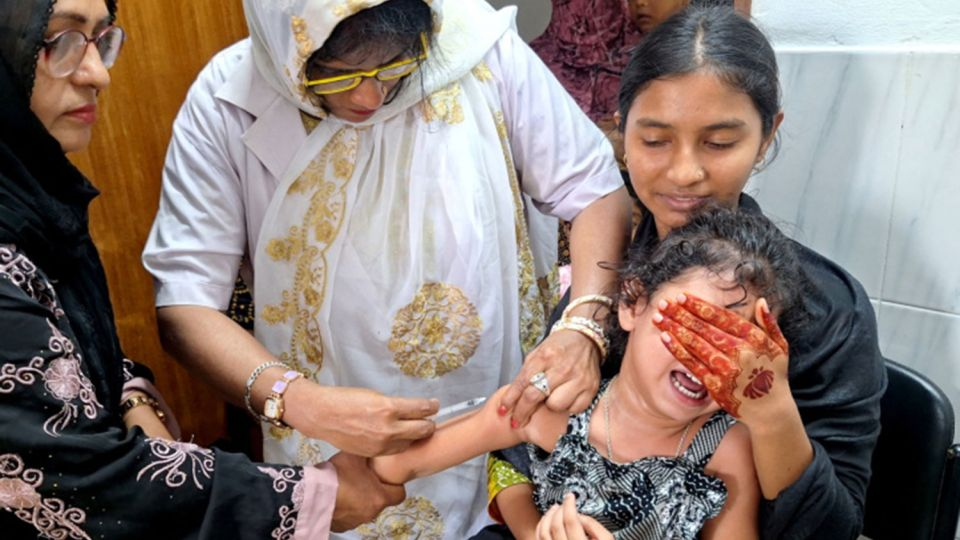
In response, the Bangladesh government and partner organisations launched rapid, large-scale measles-rubella vaccination campaigns. These campaigns reached thousands of children aged six months to 15 years within months, substantially increasing first-dose coverage and quickly reducing transmission. Follow-up campaigns were rolled out to reach children who had been missed in the first one.