At seven months pregnant, 26-year-old Rima* fled her home in southern Lebanon amid intense bombing. “We left suddenly, with only the clothes we were wearing,” she said. “There was no time to think. We were terrified.”
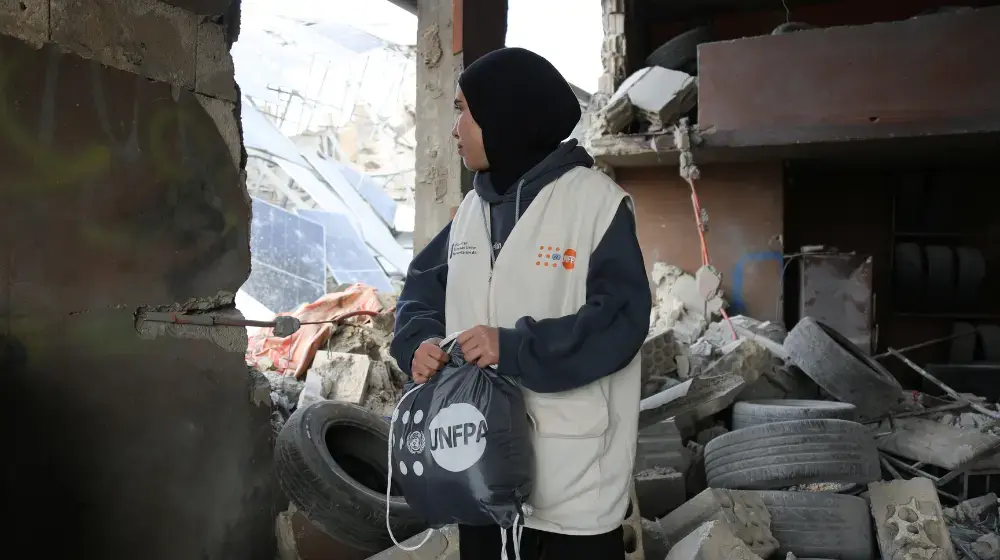
Despite a declared ceasefire, hostilities and widespread displacement are ongoing in Lebanon. Critical infrastructure and key transport routes have been destroyed, isolating pregnant women and other vulnerable populations and impeding humanitarian access.
Thousands of civilians have been killed or injured, and over 1 million people – around one fifth of the population – are internally displaced. Most are sheltering in informal camps without access to healthcare or protection from gender-based violence.
Rima’s journey took more than 16 hours by car. “I was sitting for so long that my body ached. I was afraid I might give birth on the road without any medical help,” she told UNFPA, the United Nations Population Fund, which is the UN’s sexual and reproductive health agency.
“Every minute felt endless. I kept touching my belly, praying my baby would stay safe.”
Rima currently shares a small home with 13 other people in the city of Saida. “I used to see my doctor regularly, but now I can’t,” she said. “I had to find another doctor here, and I don’t have any baby supplies – no clothes, no crib, nothing.”
She is being referred for antenatal support by UNFPA, which estimates there are some 325,000 displaced women of childbearing age, of whom some 13,500 are pregnant. Of these, 1,500 are expected to give birth within the next month and urgently need life-saving sexual and reproductive health support.