Researchers at Burnet Institute, in collaboration with Gavi, the Vaccine Alliance, have provided the world’s first ever look at the historical impact of emergency vaccination efforts on public health and global health security, with a comprehensive study of 210 outbreaks of five infectious diseases – cholera, Ebola, measles, meningitis and yellow fever – in 49 lower-income countries between 2000 and 2023.
Analysis based on the study published this week in the British Medical Journal (BMJ) Global Health finds that, during this time period, emergency vaccination is estimated to have reduced cases and deaths by nearly 60% on average across these five diseases. For some diseases like yellow fever and Ebola, outbreak response vaccination efforts are estimated to have decreased deaths by 99% and 76% respectively. This impact from outbreak response is in addition to millions of deaths and cases averted by preventive and/or routine vaccination against the five diseases. In all cases, the study found emergency vaccination significantly reduced the threat of outbreaks expanding. The findings also underscored the importance of rapid outbreak response times and maintaining strong routine immunization coverage – especially in high risk settings – to prevent and minimize cases and deaths.
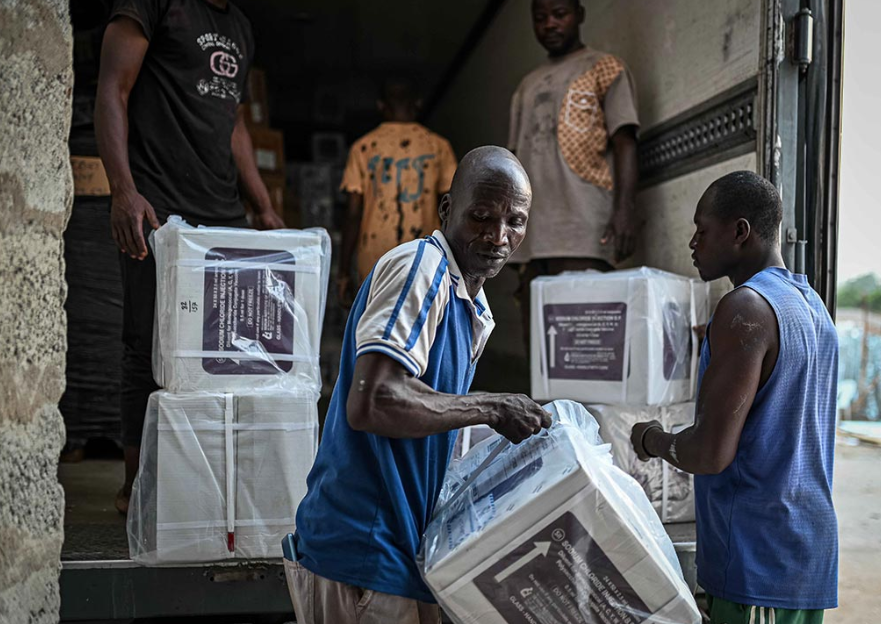
Many of the outbreak responses studied were funded by Gavi. Gavi-funded global stockpiles of cholera, Ebola, meningitis and yellow fever vaccines are accessible to all countries in the world, and their use for outbreak response is managed by the International Coordinating Group for Vaccine Provision, led by IFRC, MSF, UNICEF and WHO. In lower-income countries eligible for Gavi support – where these outbreaks are most likely to occur – Gavi fully funds the cost of doses, their delivery to affected communities, and outbreak response vaccination campaigns. The Alliance also provides this support for measles outbreak response in lower-income countries through the Measles & Rubella Partnership.