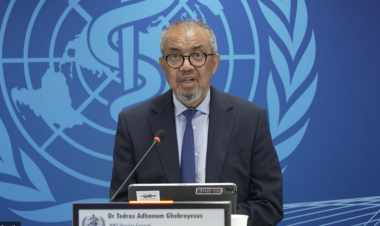

The World Health Organization (WHO) today released its first guidelines addressing the sharp rise in obesity among children and adolescents, setting out how health systems and health workers can deliver timely, evidence-based and people-centred care.
In 2024, 170 million children and adolescents aged 5–19 years were living with obesity, including 70 million children aged 5–9 years and 100 million adolescents aged 10–19 years. Obesity prevalence in this age group has quadrupled since 1990, rising from 2% to 8%.
Obesity is a chronic, relapsing disease that can be managed with effective care. Its consequences can begin early in life, increasing the risk of noncommunicable diseases, including type 2 diabetes and cardiovascular disease. Children and adolescents living with obesity may also experience stigma, discrimination and bullying. Preventing and managing obesity is essential to protect the physical and mental health of children and adolescents and support their healthy growth, education, social well-being and quality of life.