This week, leaders from around the world are convening at United Nations Headquarters in New York for an annual meeting to discuss progress in supporting human rights and development for people around the world.
This year, the meeting gives special attention to how technology and innovation can advance these goals. Information technologies, for example, enable open expression and remote work, allowing for an instant exchange of ideas and labour across borders. Diagnostic and treatment advances have transformed human health, lengthening human lifespans and expanding human potential.
But of all the technologies that affect human rights, development and population, one of the most consequential is not new at all: family planning.
Family planning was recognized as a human right in 1969, and it was recognized as being essential to national development and human flourishing at the 1994 International Conference on Population and Development. Today, amid global backsliding in gender equality, it is worth reflecting on the power of family planning as a technology, an enabler of rights, and a right in itself.
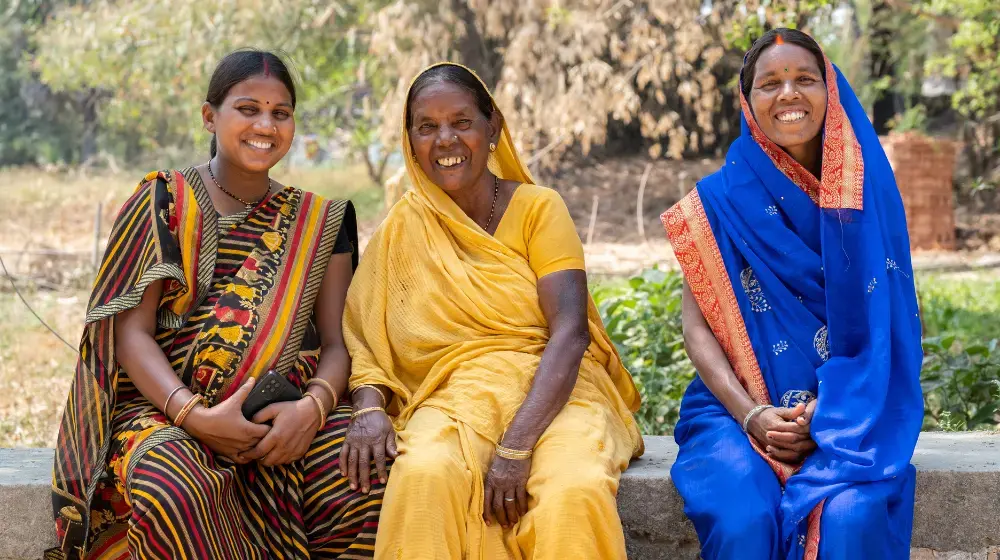
Saraswati Devi, in Bihar, India, was married at age 16 and had five children by the time she was 30. There was nothing unusual about this for women – and girls – in her village in the 1970s. “We didn’t know about contraceptives back then. We didn’t know how to delay or prevent pregnancies, and we were too afraid to ask.”
In fact, large families were seen as a financial and health blessing, she explained to UNFPA, the United Nations Population Fund. “My mother-in-law always said, ‘The more children you have, the more hands there are to work in the fields.’”
Saraswati felt pressure from friends and family to keep growing her family. “When I wanted to stop having children, my mother-in-law insisted that I continue, and I could not disobey her.”
If she could do it all over again, she would have fewer children, she said. “I wished for daughters, but I only had sons. It is good to have both. I love my children, but they are all busy with their own lives now.”