Two largely opposing proposals for a pathogen access and benefit-sharing (PABS) system – the last outstanding piece of the World Health Organization’s (WHO) Pandemic Agreement – were tabled during the seventh round of negotiations, which ended on Friday.
Africa consolidated behind a “federated” model, while the European Union and its developed-country allies backed a “hybrid” model.
The PABS annex aims to set out how dangerous pathogens are shared (access) during public health emergencies and how to share any medical products (benefits) produced as a result of manufacturers getting access to this information.
Speaking at the close of talks, WHO Director General Dr Tedros Adhanom Ghebreyesus said that at the start of the week, “access and benefit-sharing started feeling like two sides of an argument” but by the end of the week “more of us now start to see them again as two halves of one promise”.
“That shift matters, even where the text hasn’t fully caught up to it yet,” said Tedros. “I will not pretend the remaining issues are small. Real gaps remain, and they deserve the same seriousness in the next session that they have received in this one.”
Tedros also reported that “many members” had told him this week that finalising the annex this year is possible “so let’s continue to aim for that”.
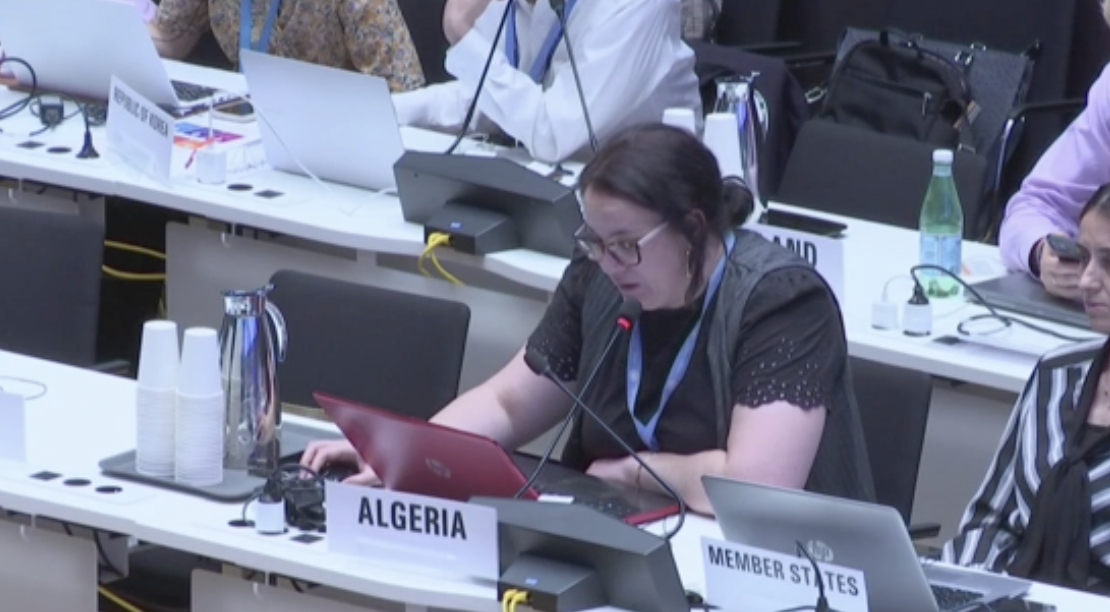
Algeria, speaking for the WHO Africa region plus Egypt, Somalia, and Sudan (the Africa Plus Group), described the “federated” model as “architecture built around sovereign national and regional nodes, interconnected through a WHO-hosted metadata index and catalogue with unique, persistent identifiers, ensuring end-to-end traceability of biological materials and pathogen sequence information”.
This means that every party getting access to pathogen information could be tracked throughout the system.