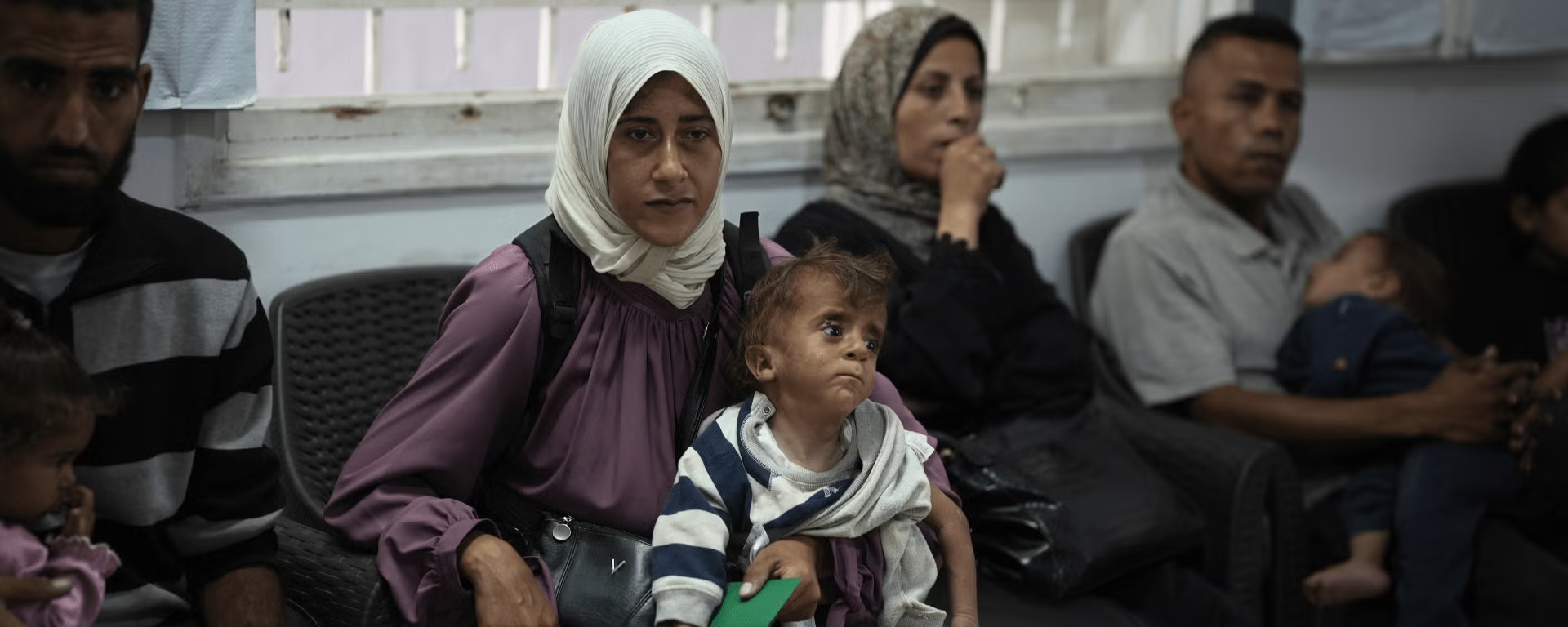
Israel’s manufactured malnutrition crisis in Gaza had a devastating impact on pregnant and breastfeeding women, newborns, and infants under 6 months old during periods of intense hostilities and siege, according to an analysis of medical data released today by Doctors Without Borders/Médecins Sans Frontières (MSF).
Between late 2024 and early 2026, our teams at four health facilities MSF runs or supports recorded higher levels of miscarriage as well as prematurity and mortality among infants born to mothers affected by malnutrition during their pregnancy, and observed a sharp increase in disrupted treatment for malnourished children.
MSF links these outcomes to Israel’s blockade of essential goods and attacks on civilian infrastructure, including medical facilities. Insecurity, displacement, restrictions on aid, and limited access to food and medical care have had devastating consequences for maternal and newborn health.
“The malnutrition crisis is entirely manufactured,” says Mercè Rocaspana, MSF medical referent for emergencies. "Before the war, malnutrition in Gaza was almost non-existent."
"For two and a half years," Rocaspana adds, "the systematic blockade of humanitarian aid and commercial goods, on top of insecurity, have severely restricted access to food and clean water. Health care facilities have been forced out of service and living conditions have profoundly deteriorated. As a result, vulnerable groups of people are at heightened risk of malnutrition.”
MSF teams admitted 513 infants under 6 months old to outpatient therapeutic feeding programs at Al-Mawasi and Al-Attar primary health care facilities in Khan Younis between October 2024 and December 2025.
Of those admitted, 91 percent were at risk of poor growth and development. By December, 200 infants were no longer in the program — only 48 percent of them were cured, while 7 percent died, another 7 percent were referred to a program for older children, and a staggering 32 percent defaulted due in part to insecurity and displacement.