
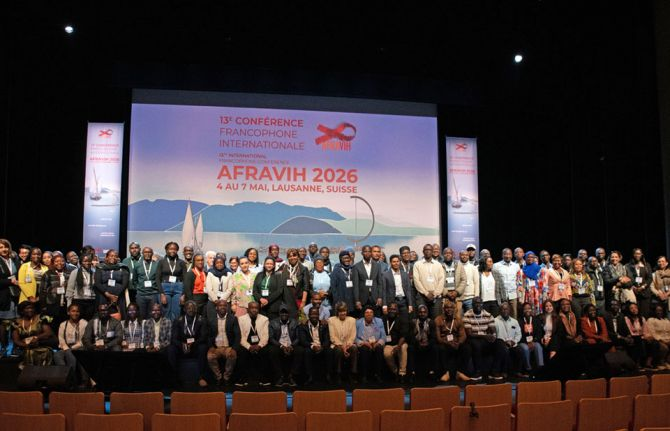
As the 13th International Francophone Conference on HIV (AFRAVIH) ends, the resounding call from UNAIDS and partners is to continue to move forward together to end AIDS by 2030.
Addressing participants Winnie Byanyima, UNAIDS Executive Director said, “Ending AIDS has never been only a medical challenge it has always been shaped — and determined — by inequality. Our greatest breakthroughs came when we closed gaps in access to scientific innovation, to finance, and to rights driven by political leadership, global solidarity, and a powerful community-led movement.”
Christine Katlama, President of AFRAVIH said, “In this challenging global context, with a real fear that HIV may rebound, we must share our scientific knowledge and maintain our solidarity.”
With global aid falling by more than 23% last year, many countries are struggling to fill the gap. Professor Nicolas Meda from Burkina Faso voiced that African countries commit too little money to health and more on defence and debt repayments. Currently only three out of 54 African countries have achieved the commitments set out in the 2001 Abuja Declaration of spending 15% of their annual national budgets on health. He said that every US$ 1 spent on health has a return on investment of US$ 3-4.
“African health sovereignty is a public health emergency and a political and existential obligation. It is up to us to build that future now,” he said.