
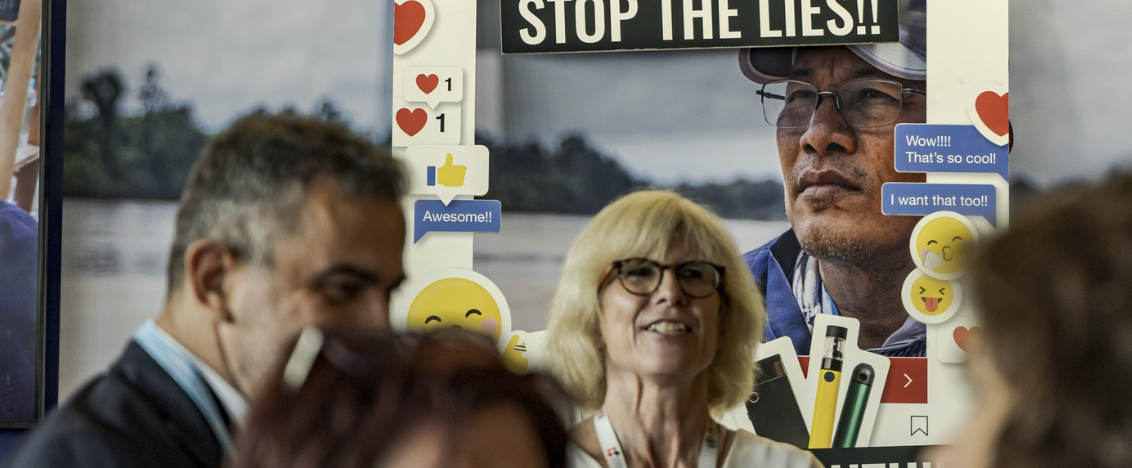
The World Health Organization (WHO) today announced the theme for World No Tobacco Day 2026: “Unmasking the appeal – countering nicotine and tobacco addiction.” The campaign will expose how the tobacco and nicotine industry continues to reinvent and repackage its products to hook a new generation, particularly children and adolescents, while evading stronger tobacco control measures worldwide.
In light of decades of progress in reducing tobacco use, the tobacco industry’s tactics remain relentless. Companies are aggressively marketing new and emerging nicotine products such as e-cigarettes, nicotine pouches, and synthetic nicotine devices – often disguised as “innovation” – to sustain addiction and recruit new users. These strategies threaten to reverse hard-won gains in tobacco control and public health.
Startling new data reveal the scale of the crisis: at least 40 million children aged 13–15 globally report current use of at least one tobacco product. Of these, 20 million smoke cigarettes and 10 million use smokeless (oral/nasal) tobacco. Also, at least 15 million adolescents aged 13–15 years are already using e-cigarettes, and in countries with data, children are on average nine times more likely than adults to vape.
“Young people are being targeted by design,” said Vinayak M Prasad, Head of the No Tobacco Unit, WHO. “Flavours, slick packaging, and deceptive marketing are being used to make highly addictive and harmful products seem fashionable. The result is a cycle of addiction threatening to undo years of tobacco control progress.”
The 2026 campaign aims to: