“When perpetrators are taken to court, that is important,” says Catherine Mootian, a survivor of female genital mutilation (FGM) in Kenya and director of AfyAfrica – an NGO working to end the practice. “But what happens to the girl who was cut? Who supports her healing, her education, her future?”
For millions of women and girls, banning FGM alone is not justice. Justice means the ability to heal, access protection, therapy and social support, and holding perpetrators accountable. Too often, that justice is denied.
Life after female genital mutilation is rarely spoken about. The damage does not end when women and girls are cut. For many survivors, the fight for justice and protection has only just begun.
In many communities, girls continue to undergo FGM, not because they believe in the practice, but because refusing can mean exclusion from marriage, security, and social belonging. When being “marriageable” depends on being cut, laws alone cannot protect girls, and justice remains out of reach.
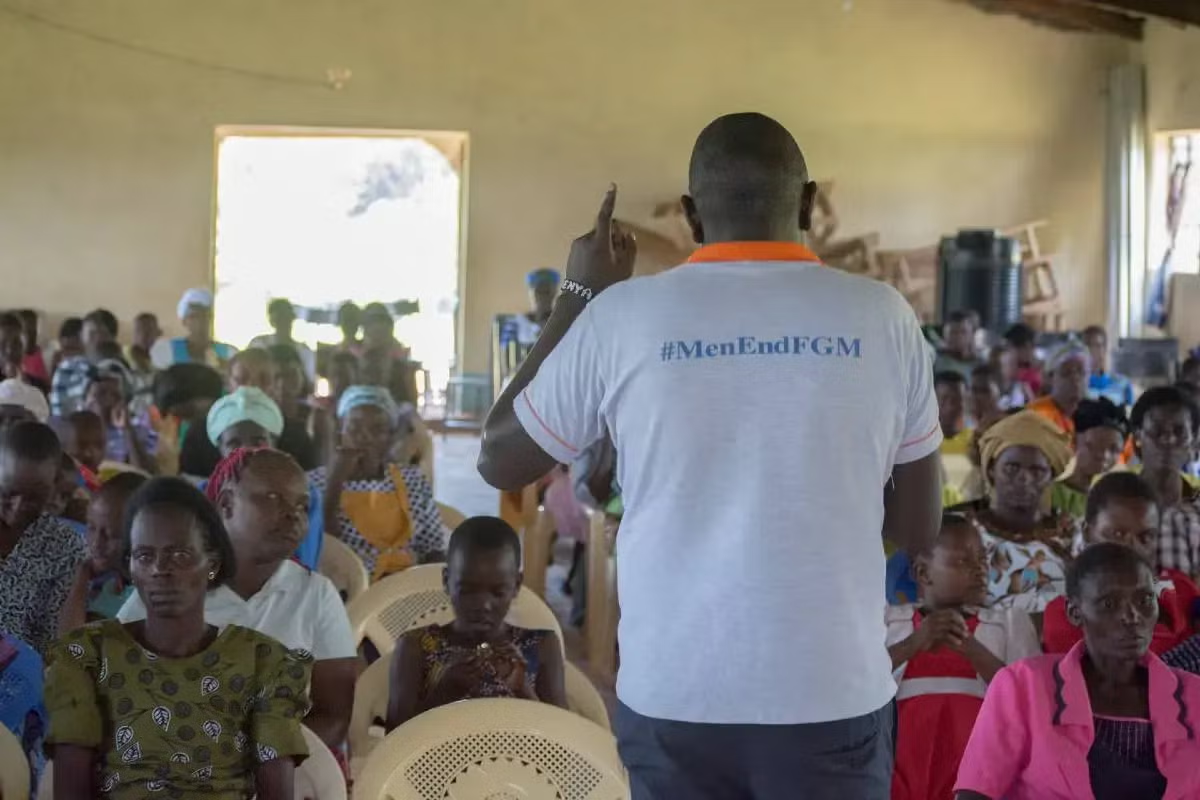
This is where men’s attitudes become decisive. Tony Mwebia, director of the Kenya-based Men End FGM organization, says the practice cannot be understood, or dismantled, without confronting men’s expectations directly.
“Men are not just bystanders,” he explains. “They are the ones expected to marry. They negotiate dowry. They decide what is acceptable. If men continue to expect women to be cut, the practice will continue even if it is illegal.”
According to Mwebia, many men oppose FGM in principle but remain silent in practice.
“Young men will say they don’t support FGM, but when it comes to marriage, family pressure takes over. Fathers refuse to give cattle. Elders insist on tradition. Silence becomes compliance.”
Campaigns like Men End FGM confront one of the strongest forces keeping FGM alive: the belief that a woman must be cut to be accepted, respected, and married. By rejecting that expectation publicly, men help dismantle the social pressure that makes the practice feel unavoidable to many young women and girls.