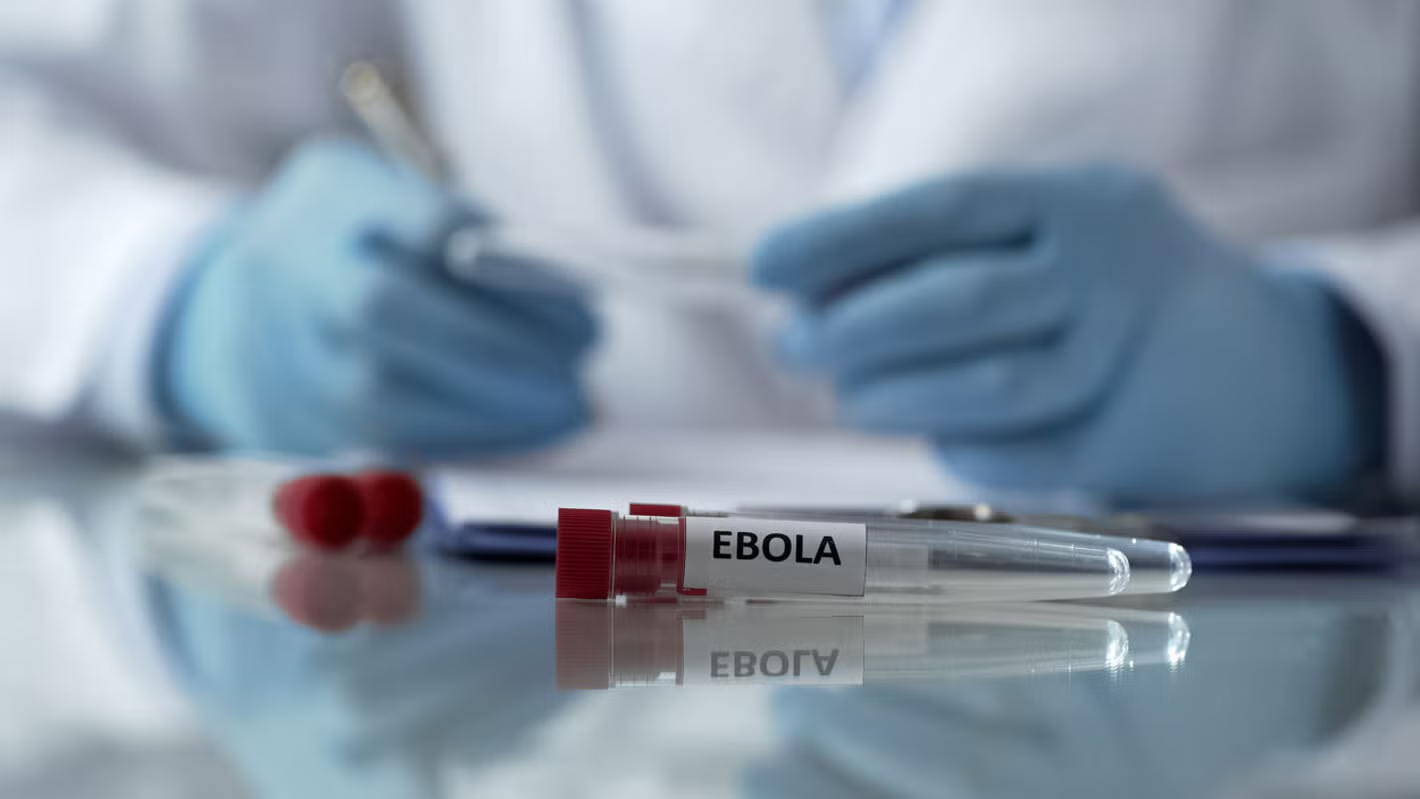
The Pan American Health Organization (PAHO) is intensifying support to countries across the Americas to strengthen preparedness for Ebola, following the World Health Organization’s declaration of a Public Health Emergency of International Concern (PHEIC) related to the ongoing outbreak in the Democratic Republic of the Congo and Uganda, and to ensure readiness for any potential imported case.
While the risk of Ebola in the Americas remains low and no cases have been reported in the Region, PAHO has activated its Incident Management System (IMS) to coordinate regional preparedness efforts. The Organization is working with ministries of health to reinforce surveillance, laboratory diagnostics, infection prevention and control, and operational coordination, so countries can rapidly detect, isolate and care for people with suspected infection.
“Countries in the Americas are not currently affected by Ebola, and the risk to the Region remains low, but preparedness is our strongest tool to reduce risks and ensure a timely response,” said Dr. Ciro Ugarte, Director of Health Emergencies at PAHO. “Even with low risk, countries must be ready to detect and respond quickly to any possible importation to protect health workers and communities, and to prevent further transmission.”
PAHO, in collaboration with the Global Outbreak Alert and Response Network (GOARN), a WHO-coordinated network of technical institutions and partners for international outbreak response, is convening regional technical exchanges to support national preparedness efforts.
A technical session, organized by PAHO’s Emergency Operations Center (EOC) and held on 3 June, brought together 394 participants from 30 countries across the Region, including national professionals involved in Ebola preparedness and response and representatives from GOARN partner institutions in the Americas. Participants reviewed key preparedness actions, including laboratory diagnosis and biosafety, clinical management, infection prevention and control, medical evacuation, and safe and dignified burials.
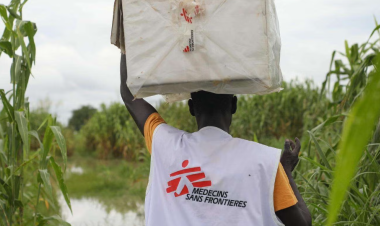
The session included 12 speakers, panelists and moderators from PAHO, WHO, Johns Hopkins University/NETEC, Emory University/NETEC, Médecins Sans Frontières (MSF), ISARIC/University of Oxford, and the University of São Paulo Hospital, highlighting broad technical collaboration to strengthen Ebola readiness in the Americas.