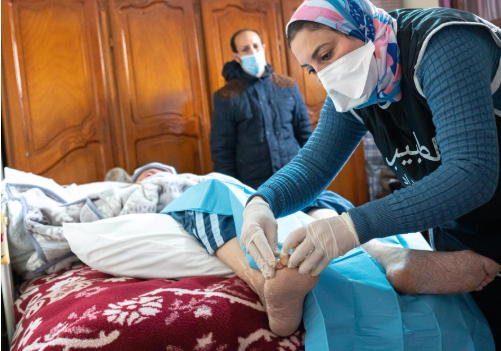
Noncommunicable diseases (NCDs) are one of the most pressing public health challenges in Morocco. They account for nearly 85% of all deaths, including 24% of deaths among people aged 30 to 70.
The national STEPS survey, conducted among adults aged 18 and over in 2017–2018 to collect standardized data on NCDs and their risk factors, revealed that 94.3% had at least one risk factor for NCDs. These included smoking, unhealthy diets, physical inactivity and excess weight. The numbers are striking: 29.3% were hypertensive, 10.6% had diabetes, 10.4% were pre-diabetic, 11.7% were smokers, 21.1% had insufficient physical activity, 76.3% did not meet the recommended intake of fruits and vegetables, 53% were overweight and 20% were obese.
Beyond the health impact, NCDs place a significant financial burden on Morocco’s health care system. Four conditions alone (end-stage kidney disease, cancer, severe hypertension and diabetes) consume over 73% of spending on long-term illnesses.
While the demand for care is growing, the resources remain limited. Morocco has only 1.5 health care workers per 1000 people, far below the UN Sustainable Development Goal target of 4.45.
This situation is even more concerning in the context of Morocco’s demographic transition. With rising life expectancy and declining fertility rates, the population is aging rapidly. Currently, 2.57 million older adults live with at least one NCD. If current trends continue, this number could reach 3.9 million by 2030, according to the High Commission for Planning.