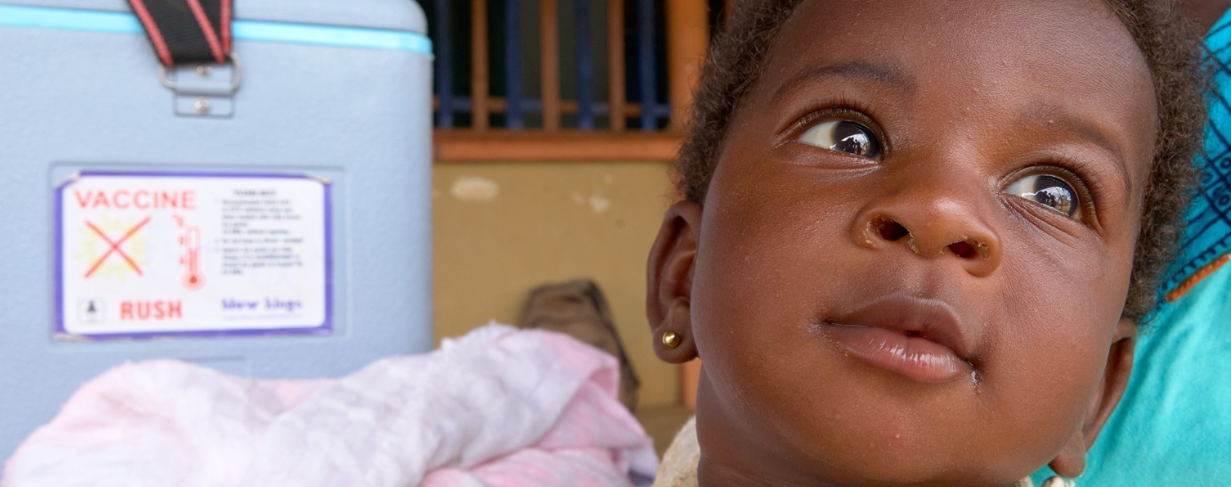
Findings of a rigorous evaluation of the public health use of the RTS,S malaria vaccine, published today in The Lancet, confirm significant reduction in child deaths in the first African countries to offer the vaccine.
Over a period of four years, an estimated 1 in 8 child deaths were averted among those eligible to receive the malaria vaccine in Ghana, Kenya and Malawi. According to the authors, positive impact is likely to be as high or higher in other African countries now offering malaria vaccines to young children in areas of high malaria burden.
The evaluation assessed data generated through the Malaria Vaccine Implementation Programme (MVIP), which examined the outcomes of malaria vaccine introduction in the first three countries from 2019 to 2023.
“This is very solid evidence of the potential for malaria vaccines to change the trajectory of child mortality in Africa, and why it is urgent to overcome funding challenges to accelerate rollout. Demand is high and supply is sufficient, but more financing is needed so that countries can purchase enough vaccine, along with other malaria prevention tools, to reach all the kids most at risk of serious disease or death,” said Dr Kate O’Brien, WHO Director of the Department of Immunization, Vaccines and Biologicals and co-author of the evaluation.
Despite global progress, malaria continues to take a devastating toll on children in Africa. In 2024, an estimated 438 000 African children died from the disease. Tens of thousands of lives could be saved every year through the wide implementation of WHO-recommended malaria vaccines, RTS,S or R21. WHO recommends an integrated approach because the highest impact on malaria is achieved when countries apply a combination of preventive, diagnostic and treatment strategies.
“Malaria vaccination strengthens the response and increases access to malaria prevention in countries that use a mix of proven interventions to optimize impact substantially in moderate and high transmission areas,” said Dr Daniel Ngamije Madandi, WHO Director of the Department of Malaria and Neglected Tropical Diseases.
According to the study authors, the additional health visits required to deliver the four-dose malaria vaccine schedule provide opportunities for simultaneously delivering other childhood vaccines such as measles or meningitis vaccine, and additional health interventions, such as vitamin A or insecticide-treated nets (ITN). Furthermore, the evaluation confirmed that malaria vaccine introduction has no negative consequences on uptake of other childhood vaccines or use of other malaria prevention measures such as ITNs.