Since the outbreak of hostilities on Oct. 7, 2023, Gaza’s health system has faced what the United Nations Relief and Works Agency for Palestine Refugees in the Near East (UNWRA) describes as a “systemic collapse,” severely undermining its capacity to meet the population’s basic health needs. The conflict has damaged health facilities, degraded services, created shortages of medical supplies and fuel and severely constrained health care personnel’s delivery of care.
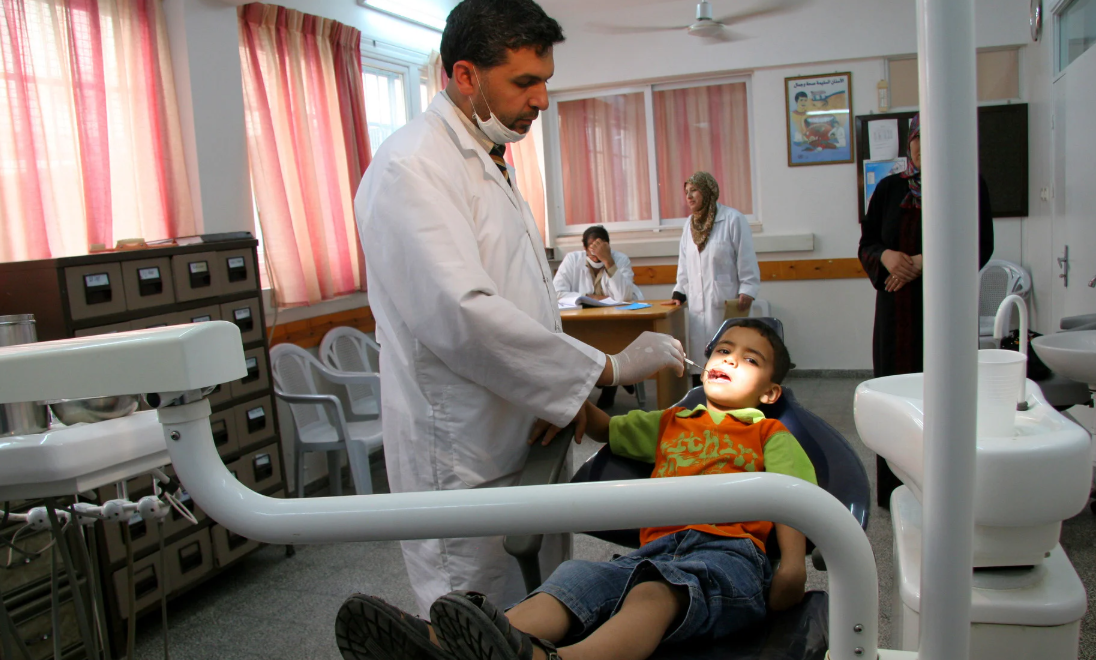
As of August 2026, 35 of the 57 hospitals and field hospitals, and 146 of the 233 primary health care facilities, were partially or fully operational, according to the World Health Organization’s HeRAMS assessment. Despite these extraordinary restrictions, the United Nations Relief and Works Agency for Palestine Refugees in the Near East has maintained primary health care services wherever possible by adapting its operational model, expanding mobile health teams, and establishing temporary health facilities.
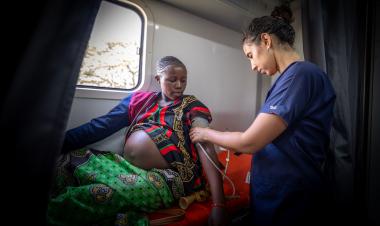
In Gaza, Emergency Medical Teams, international and national professional health teams coordinated through the World Health Organization (WHO) response, have helped provide surge capacity while local services remain severely constrained. Their role is not to replace Gaza’s health system but to help keep essential services functioning while local capacity remains severely constrained. Comprising more than just doctors and nurses, these teams are self-sufficient mobile units that also include logisticians, water and sanitation specialists, and administrative staff. In Gaza, Emergency Medical Teams are responding to high levels of injury and illness alongside the local health workforce. As of April 15, 2026, 23 Emergency Medical Team partners were supporting 36 active teams in Gaza, comprising 72 international and 310 national personnel. According to the World Health Organization, Emergency Medical Teams had provided 4,288,220 general medical consultations, 65,056 emergency surgeries and treatment to 272,483 critical trauma patients from January 2024 through March 2026.