Without water, there can be no return. Across Southern Lebanon, Israeli military has damaged and destroyed water infrastructure and continues to do so, effectively preventing families from rebuilding their lives and turning a basic human need into an obstacle to recovery.
Since March, Israeli attacks on southern Lebanon have left a new trail of devastation, compounding the damage and hardships caused since the September 2024 escalation. Although a ceasefire has been in place since mid-April, attacks have continued, and several villages along the southern border have become inaccessible because they are located in areas occupied by the Israeli military. Nobody lives in there anymore. Adjacent to them, lays a second line of devastated villages, where some families have made the difficult decision to return despite immense challenges.
"When we travel through the villages of southern Lebanon, one issue comes up everywhere we go. Before people ask about healthcare, education, or housing, they ask about water," says Charlene Silvin, MSF Project Coordinator in Lebanon
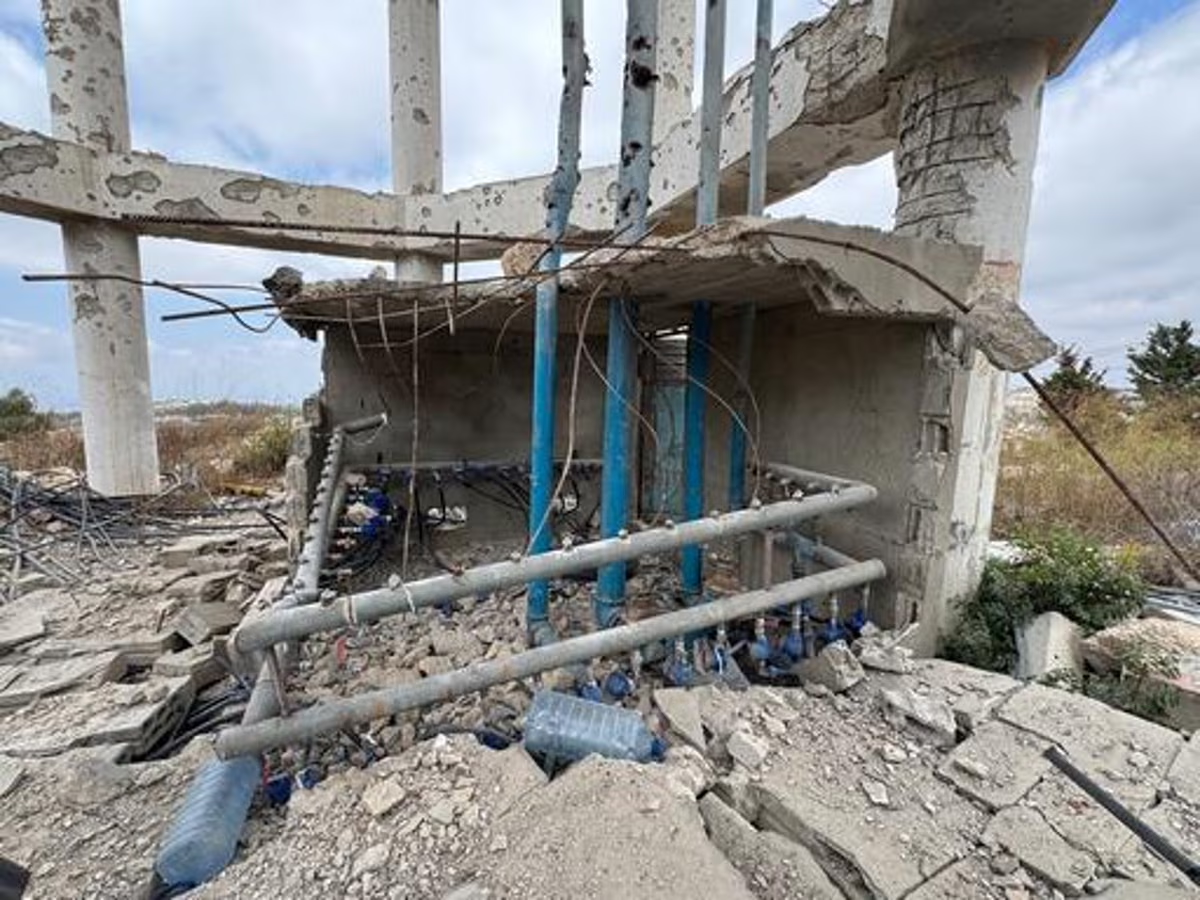
MSF teams have visited many of these communities and have witnessed the damage first-hand. A pattern repeats itself in every village. Israeli direct and indirect attacks have damaged historic buildings, places of worship, healthcare facilities, homes, and essential infrastructure. Water and electricity systems have been particularly affected. In every location MSF visited, solar panels powering water infrastructure had been struck or damaged, disrupting the systems that communities rely on every day.
This alarming pattern shows a recurrent attempt to damage and destroy infrastructure that communities depend on to access water, a basic need.
What stands out most is that the damage does not affect just one piece of infrastructure. It affects the entire water ecosystem. Wells, pumps, filtration units, storage tanks, generators, pipelines, and solar-powered systems have all been impacted. When one component is destroyed, the entire system stops functioning, leaving people without a reliable access to a resource that is indispensable for survival and recovery.