
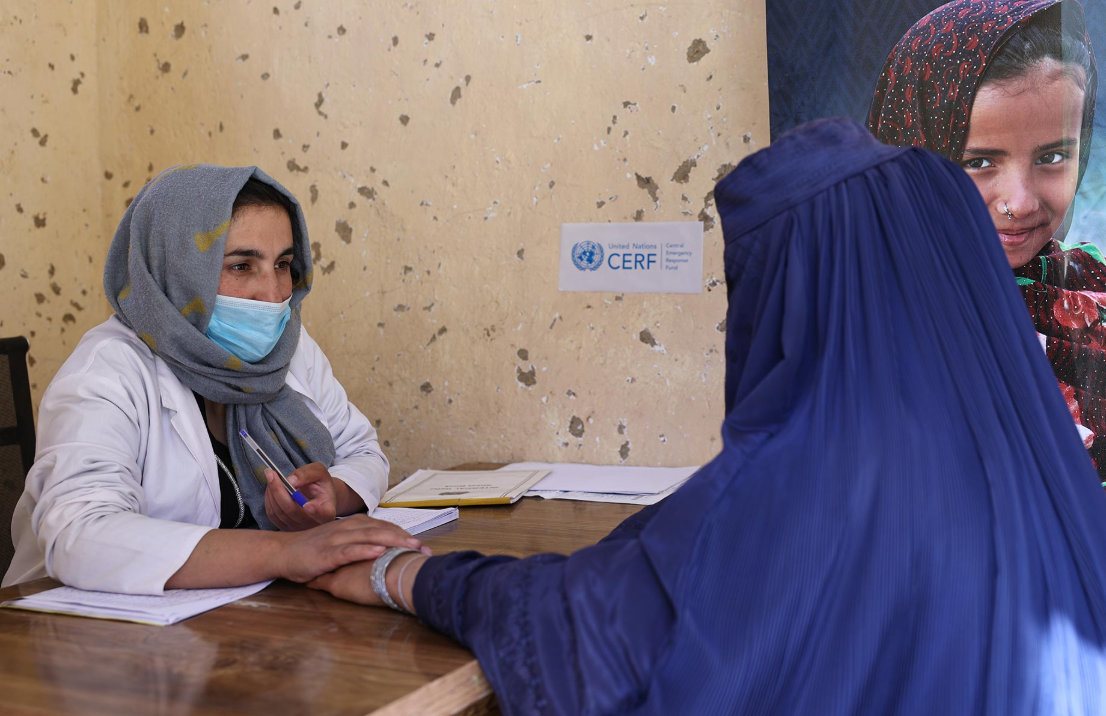
On the second day of Eid, as families were celebrating the holiday, Sohaila Hakimi, a midwife at Pengani Sub Health Centre, responded to an urgent call.
A pregnant woman who had been attending regular antenatal care at the Centre had gone into labour early in the morning. In a remote and mountainous area like Pengani, timely care can make all the difference.
“I recognized her voice immediately,” Sohaila said. “She had trusted the Health Centre throughout her pregnancy, and I knew I had to act quickly.”
Even though it was a holiday, Sohaila worked with the guard to open the Centre and prepare the delivery room. When the woman arrived, she was admitted right away. Within an hour, she had safely given birth.
For the mother and her newborn, access to skilled care helped prevent serious complications. “No one should be denied care because of where they live,” Sohaila said.
Access to health care in Badakhshan Province is extremely limited due to its rugged terrain and scattered settlements. Harsh weather conditions, including seasonal barriers such as snow and flooding, can further delay or prevent access to care, compounding the isolation of communities.