
Results Highlights
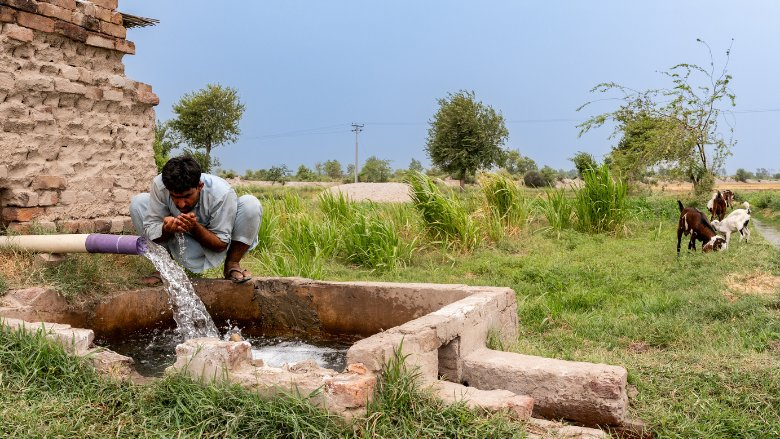
- As of mid-2025, 218,000 beneficiaries in 180 villages have safe water, with 99 percent of connected households receiving WHO-standard supply. Eighty villages now have wastewater treatment, and 15,000 households use metered connections, with volumetric tariffs planned to encourage conservation. A centralized Management Information System (MIS) tracks construction, safeguards, complaints, and behavior change, with over 90 percent of grievances resolved within two days.
- Capacity building has trained 150 local mobilizers (70 percent women), reached 46,700 women with Water, Sanitation, and Hygiene (WASH) messages, and formed 200 village organizations. The project has created over 600 jobs for semi-skilled and skilled workers in the village and at the Punjab Rural Municipal Services Company (PRMSC) offices. Reflecting its credibility, the Government of Punjab (GoPb) has requested PRMSC to replicate the PRMSC model of service delivery in an additional 400 villages, financed by GoPb’s own funds.
- By 2028, the Project aims to provide safe water to 6 million people, establish wastewater treatment in 2,000 villages, increase the rate of households with WHO-quality water from 35 to 75 percent, cover 75 percent of Operation and maintenance (O&M) through tariffs, and ultimately reduce child stunting from 37 to 22 percent.