
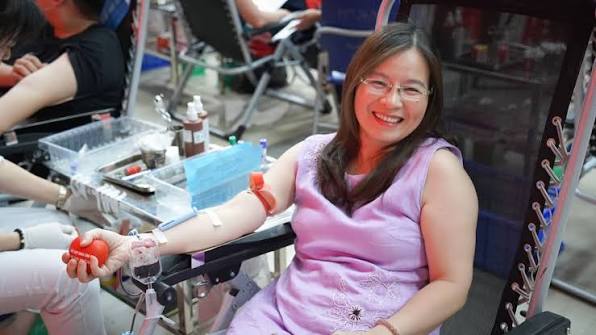
New data from the World Health Organization (WHO) show sustained progress towards safer blood supplies globally but also highlight persistent inequalities in access to safe blood and weaknesses in governance, financing and regulation of blood systems.
Data collected from 132 countries reveal that global blood collections increased by nearly 19% between 2013 and 2023. Voluntary, unpaid donors continued to drive this progress, accounting for over 85% of the estimated 120 million blood donations received in 2023.
Despite these gains, access to safe blood and blood products remains highly unequal worldwide. Many patients – including women experiencing life-threatening bleeding during childbirth, children with severe anaemia, trauma or burn victims, patients undergoing surgery, and people living with conditions such as sickle-cell disease, thalassaemia, haemophilia, immune deficiencies and certain cancers – still lack reliable access to safe blood and life-saving transfusions, particularly in lower-income countries.