
Pakistan was once considered a low-prevalence country for HIV, but a series of outbreaks has infected hundreds of children and exposed fundamental weaknesses in its healthcare system.
Southern Pakistan has been particularly affected, with HIV outbreaks linked to healthcare facilities documented at Taunsa in Punjab, Karachi’s Kulsim Bai Valika (KBV) Hospital, and previously in Larkana and other districts.
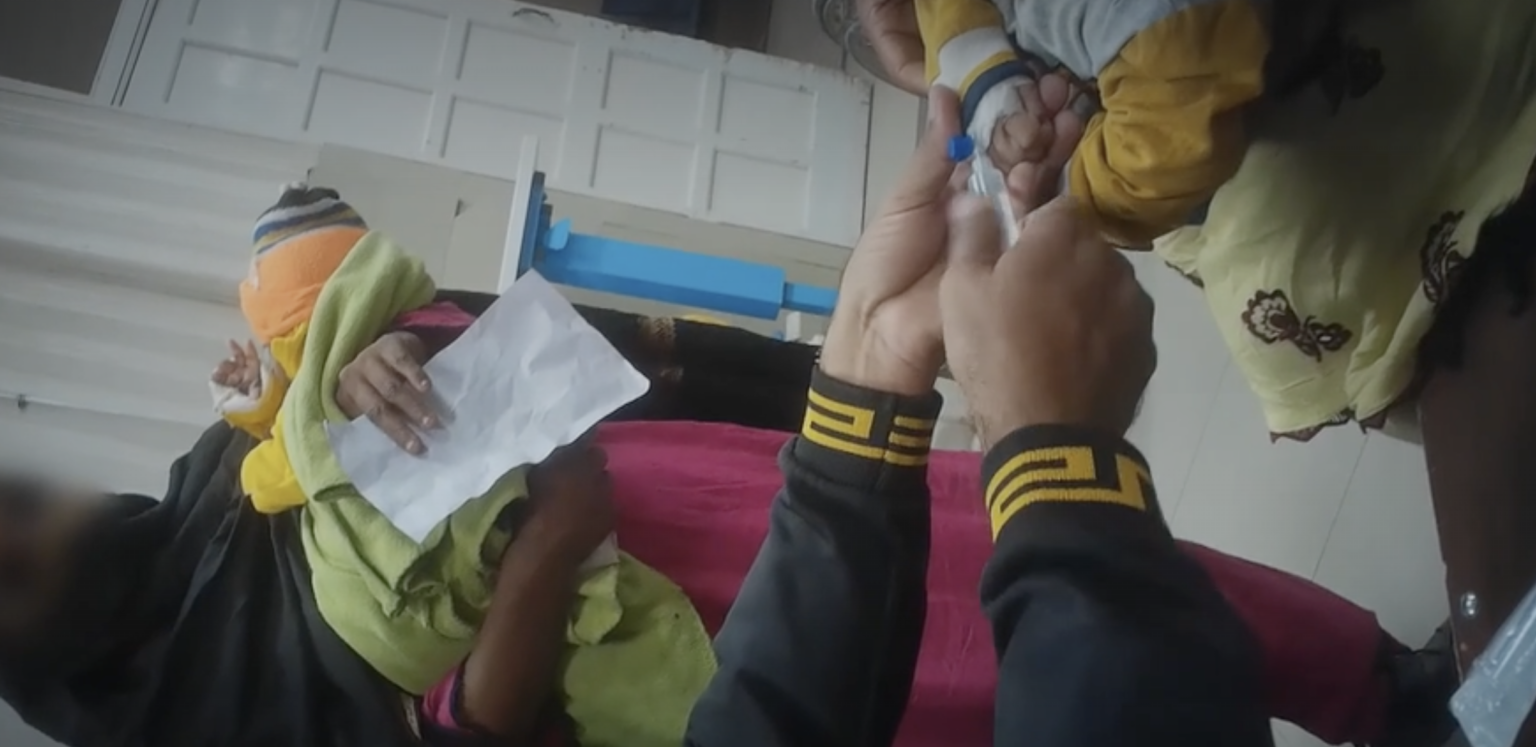
Some 331 children are estimated to have been infected with HIV at Tehsil Headquarters (THQ) Hospital in Taunsa since last October, and investigators have blamed their infections on preventable lapses in infection prevention and control (IPC).
Unlike outbreaks in many countries, where HIV transmission is primarily driven through sexual contact, repeated investigations in Pakistan have instead pointed to unsafe medical injections, poorly regulated blood transfusions and failures in sterilisation practices.
Despite the alarm being raised about the rise in children’s infections earlier in the year, an undercover expose by the BBC in April showed that health workers continued to use the same needles and syringes on several children at the facility.