
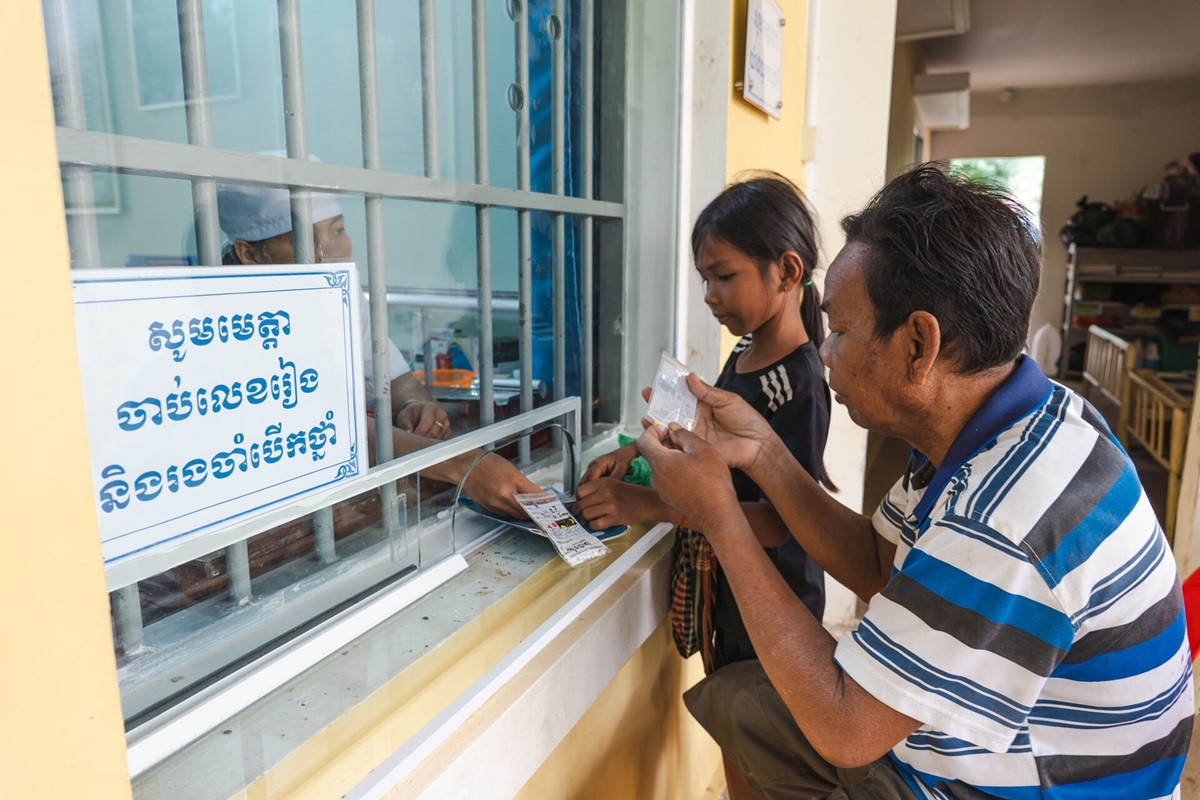
As more countries are taking steps to tackle antimicrobial resistance (AMR), major gaps that remain in testing and treatment mean that many patients are still at risk, according to new data from the World Health Organization (WHO).
When medicines lose their effectiveness against resistant bacteria and other microbes, common infections become harder to treat and routine medical procedures, including surgery, childbirth and cancer care, become riskier. In 2023, approximately 1 in 6 laboratory-confirmed bacterial infections worldwide were resistant to antibiotics, highlighting the growing threat to patients.
The new findings released today ahead of World AMR Awareness Week, show that 173 countries report having developed plans to address AMR, more than double the 79 countries that reported doing so in 2017.
But having a plan does not necessarily mean patients are protected. Only 22% of countries report having both the necessary funding and full implementation of national AMR action plans. This leaves major gaps worldwide along the pathway of care, from preventing infections to diagnosing and treating patients, as well as detecting resistance trends and taking control measures.