
Following Iranian missile attacks on Dubai, a major global logistics and humanitarian hub, the World Health Organization is struggling to revive the traffic of medicines and health care supplies in and around the Middle East and African regions most served by the hubs, a WHO official said on Wednesday.
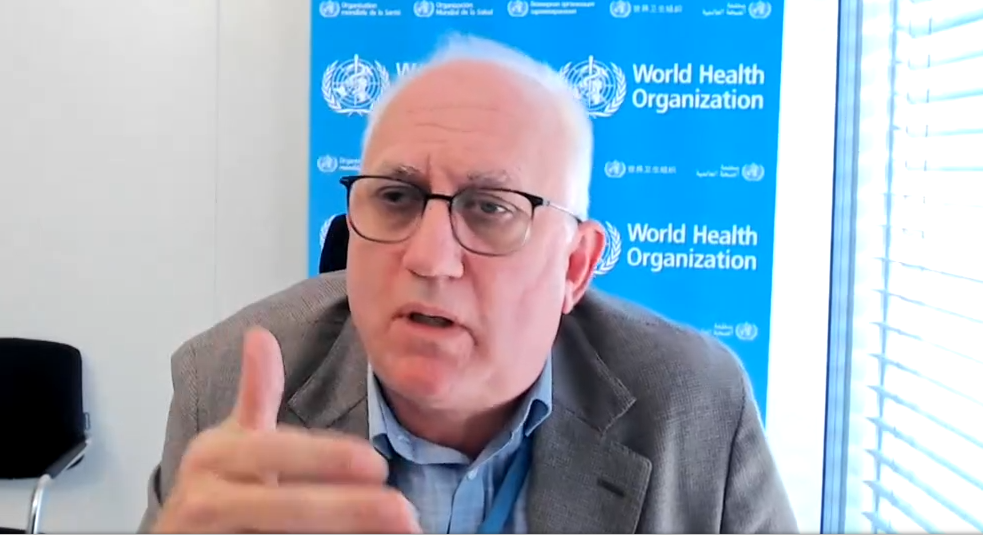
“We have managed to do a pharmaceutical shipment to Africa yesterday using commercial air transport, and we have started to receive inbound replenishment through alternative ports,” said Paul Molinaro, head of WHO Operations Support and Logistics, speaking at a WHO briefing on Wednesday.
“And hopefully we’ll start putting out the mix of air charter, road, sea, particularly to Lebanon to Afghanistan, to Sudan and to Gaza, and get that back on track as soon as we can.”
But he warned that the ripple effect of the conflict on Gulf countries like the United Arab Emirates, one of the world’s leading hubs for trade in fertiliser and pharma supplies, is only just beginning to be felt. And beyond the immediate shocks to emergency deliveries of humanitarian relief, the crisis is likely to translate into higher long term prices for fertiliser, foods and pharmaceutical supplies, hitting hard at low and middle-income regions.
“When it comes to WHO, I think we’re more like the canary in the coal mine, given the vulnerability and the fragility and the conflict areas that we operate on,” said Molinaro. “And certainly there we start to feel the effects of shortages as a provider of first response, and in many cases, unfortunately, as a provider of last resort.”
However, it is the mid- and short-term consequences that he is even more worried about.
“The longer this goes on, I think the more we’ll be receiving an education just on how dependent some of our processes are on this part of the world,” he said.