
Aisha was living with her family in Iran when an explosion struck near their home, forcing them to flee in fear. In the chaos that followed, she and her family were detained, and she was separated from her husband and children.
Pregnant at the time, 31-year-old Aisha began bleeding during the journey. With no access to care and no contact with her family, her condition quickly worsened. The bleeding placed both her life and her unborn child at serious risk. Two days later, she was deported to Afghanistan alone, still searching for her husband and four children, and uncertain about what would happen next.
“At that moment, I did not know where to go or who could help me,” Aisha recalls. “I was worried about my unborn baby and my family.”
At the Zero Point border in Nimroz, a social worker noticed her condition and referred her to the nearby clinic for urgent care. When she arrived, she was physically weak and emotionally distressed after days of fear, displacement, and separation.
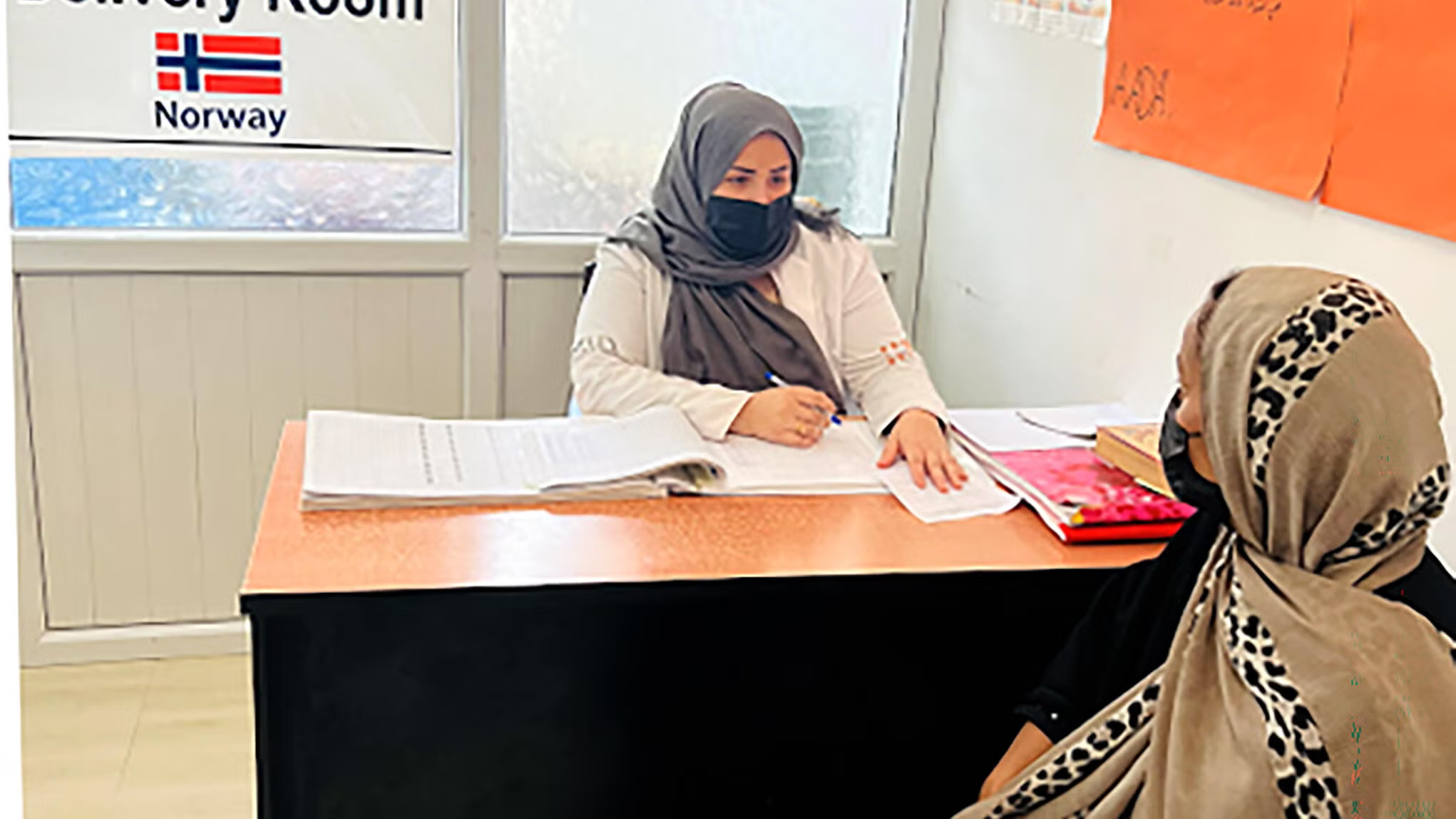
Midwife Forogha assessed her condition and began treatment to control the bleeding and protect her pregnancy. With timely medical care, appropriate medication, and close monitoring, her condition stabilized.
“Women arriving at the border often face both physical complications and emotional distress,” said Forogha. “Providing timely care can prevent serious risks and help them feel safe again.”
Recognizing the emotional toll of her experience, the health team also referred Aisha for psychosocial support. Through counselling, she began to process the trauma of separation from her family and the uncertainty she faced. The sessions helped her regain a sense of calm and begin coping with the distress she had been carrying.
After four hours of integrated medical treatment and psychosocial care, Aisha’s condition improved. By the time she left the clinic, she was physically stable and emotionally more reassured, with a clearer understanding of where to seek further support. She was also referred to relevant organizations for additional assistance to help address her family situation and immediate needs.
“I did not expect to receive care and support here,” she said. “It made me feel relieved during a very difficult time.”
Supported by the Government of Norway in partnership with UNFPA, the Zero Point Clinic provides essential maternal health and psychosocial services to returnees and vulnerable populations arriving at border crossings.