
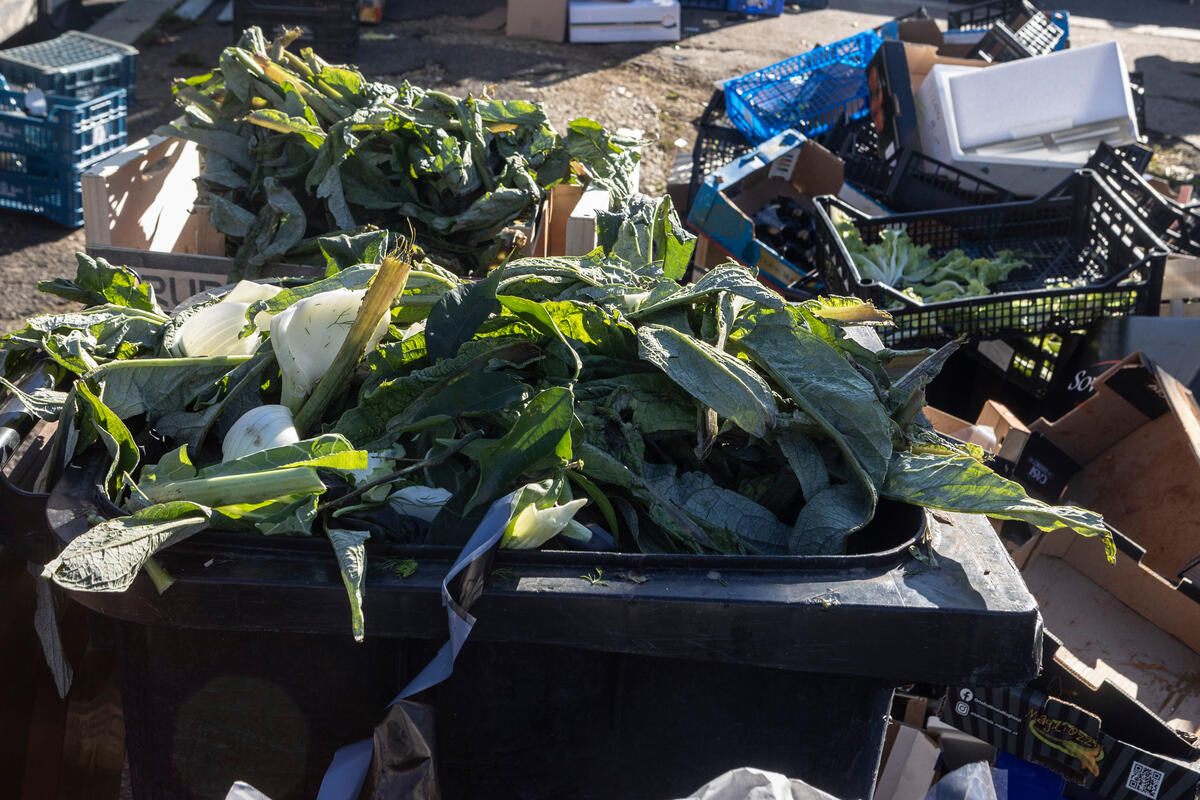
Food loss and waste (FLW) can be a reservoir and even an accelerator for anti-microbial resistance (AMR), highlighting that it should be integrated into AMR surveillance and management strategies, according to experts at the Food and Agriculture Organization of the United Nations (FAO).
Discarding FLW into landfills or open dumps intensify AMR risks, while some food waste processes such as composting can if done properly reduce antimicrobial resistance genes, according to “Risk of antimicrobial resistance spreading via food loss and waste,” a new scientific review paper published in Infectious Diseases of Poverty, an open access, peer-reviewed journal.
Four FAO experts led production of the scoping review, including Junxia Song, a senior animal health officer who now serves as Chief of the One Health and Disease Control Branch at FAO.
“Linking food loss and waste to AMR is both timely and strategic, as it creates an opportunity for coordinated action that reduces waste while strengthening global efforts to contain AMR,” said Junxia.
The agricultural sector is a known contributor to antimicrobial resistance, with animal production accounting for almost three-fourths of global antibiotic sales. Drug residues and resistance genes have been found in food at the retail and consumption stage, particularly in meat products but also in plant foods such as carrots, lettuce, leaf and tomatoes. AMR reduces the efficacy of existing medicines and is associated with millions of human deaths each year.
For this reason, FAO has long been active in the worldwide effort to mitigate such risks, including by reduced usage of drugs throughout the food chain. In 2025, Members resolved to ask FAO to further bolster the technical investment it offers countries to increase their investments, policy efforts and research into the topic, doing so in a holistic way according to One Health principles. The paper offers a narrative review of research related to the potential role of FLW in spreading AMR, a topic that has been relatively underlooked.