Health misinformation has become one of the most serious public health challenges of the digital era. On platforms such as Instagram, TikTok, and YouTube, unverified medical advice spreads faster than ever—often reaching millions before it can be corrected.
For young audiences, especially in countries where access to reliable medical information is limited, this phenomenon can lead to dangerous health decisions. In response to this growing issue, I decided to use my own experience as a Moroccan medical student based in Romania, to harness social media not for entertainment, but for evidence- based health education.
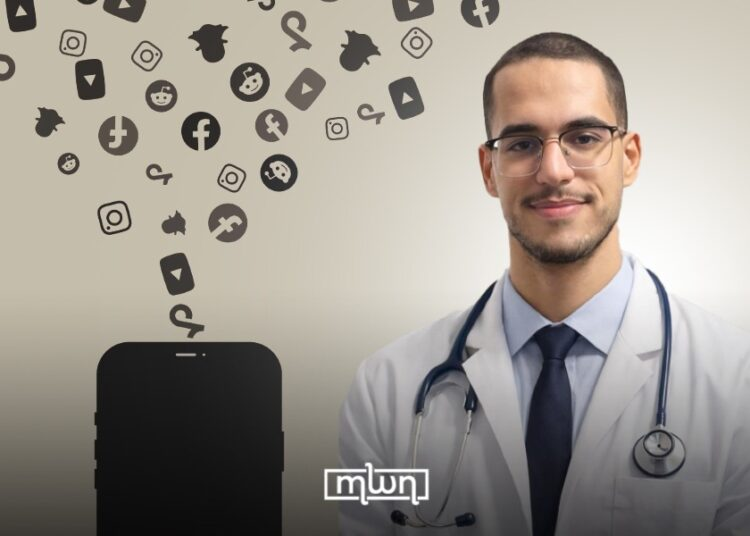
Known online as “Doc.karami“, I represent a new generation of medical communicators who aim to make science understandable, accessible, and responsible.
Currently studying medicine at Grigore T. Popa University of Medicine and Pharmacy, I belong to Gen Z that grew up alongside social media—fully aware of both its power and its risks.
Rather than incorrectly positioning myself as a doctor, I choose to be transparent about my status as a medical student. My content does not provide diagnoses or personalized medical advice. Instead, it focuses on medical literacy, prevention, and debunking false claims that circulate widely online.
My journey to becoming a public health communicator
During my medical training, I have noticed a growing gap between scientific knowledge and what the public consumes on social media. Viral videos promoting miracle cures, dangerous diets, or misleading health trends are often more popular than factual medical explanations.