
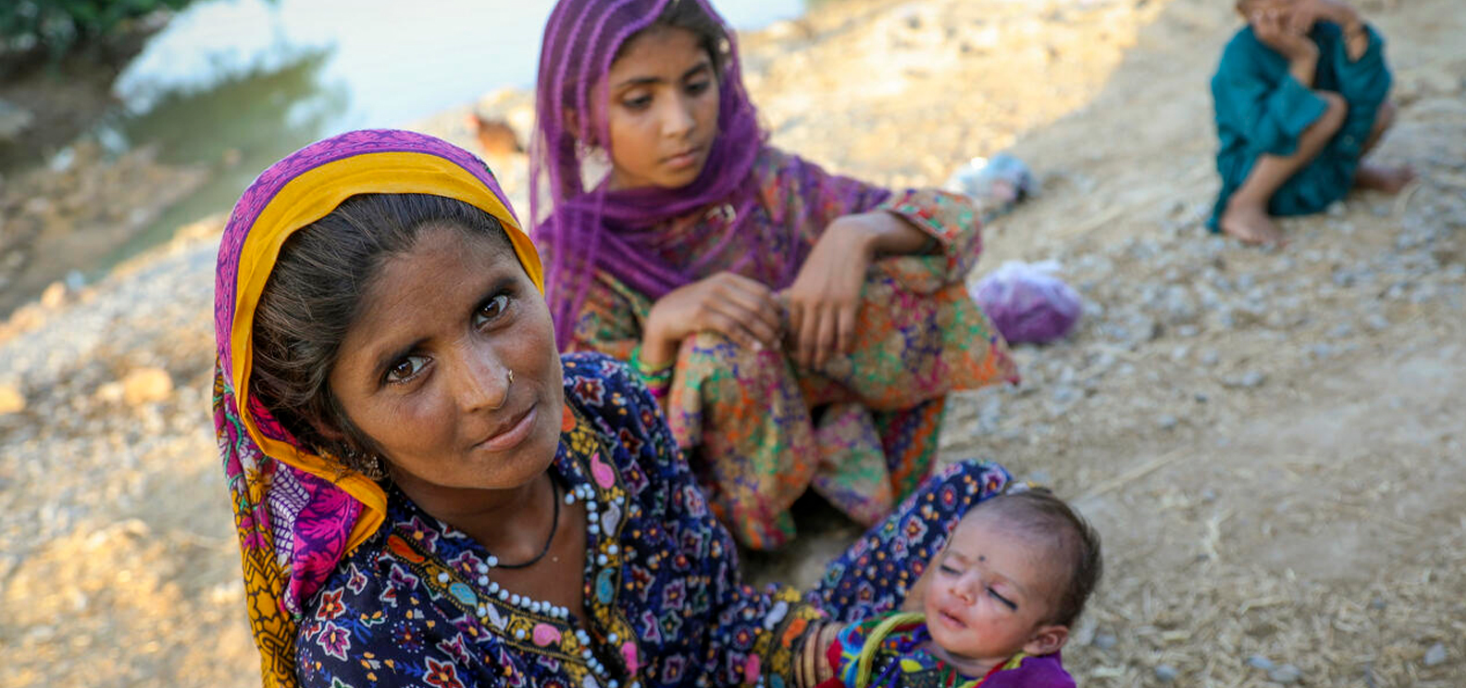
Rising temperatures in Pakistan, driven by global climate change and intensified by industrialisation, deforestation, and other environmental pressures, are posing increasing risks to maternal and newborn health, a new international study warns.
“Exposure to extreme heat during pregnancy has now been linked to higher rates of low birth weight.”
The study, led by an international team of researchers from the University of Canberra, Adelaide University, Aga Khan University in Pakistan, Flinders University, and partner institutions in Canada, analysed health data from more than 85,000 mothers and infants across Pakistan.
Women exposed to higher temperatures during pregnancy were significantly more likely to deliver babies weighing less than 2.5 kilograms, with about 18 per cent of infants in the study classified as having low birth weight.
Associate Professor Zohra Lassi said the findings underline a growing public health concern.
“Low birth weight is already a major issue in Pakistan, and rising temperatures could further worsen this burden,” she said.
The research combined a decade of birth records (2008–2017) with temperature data to assess the impact of heat on birth outcomes.
It estimated that up to 13 per cent of low birth weight cases could be attributed to high temperatures, with projections suggesting further increases by the 2060s under worsening climate scenarios.
Lead author Syeda Hira Fatima, Postdoctoral Research Fellow at the HEAL Global Research Centre, University of Canberra, said heat-related risks in Pakistan are compounded by socioeconomic and environmental vulnerabilities.
She told APP that Pakistan has been experiencing severe heatwaves, with summer temperatures in southern Punjab, northern Sindh, and Balochistan reaching 47–48°C in recent years, well above seasonal averages, and occasionally climbing higher in historically hot areas like Turbat and Mohenjo Daro.
Prolonged exposure to such extreme heat has measurable effects on vulnerable groups, particularly pregnant women, highlighting the urgent need for climate-sensitive maternal and child health policies.