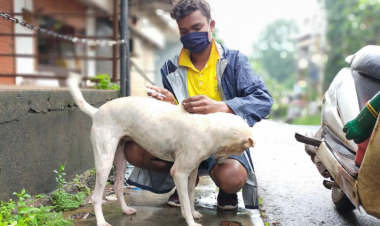

Chile has become the first country in South America to receive the World Health Organization (WHO) validation for eliminating dog-transmitted rabies as a public health problem. The recognition highlights more than 50 years of progress without a human case of rabies and confirms the country's capacity to prevent transmission from re-emerging.
"I congratulate the government and people of Chile on this historic achievement," said Dr Tedros Adhanom Ghebreyesus, WHO Director-General. "This validation reflects decades of commitment to protecting communities from rabies and demonstrates the impact of sustained investment in public health. Chile’s success offers valuable lessons for countries working to end human deaths from this preventable disease."
The recognition reflects more than five decades of sustained national efforts to interrupt dog-mediated transmission and maintain that achievement through dog vaccination, surveillance and timely access to post-exposure prophylaxis.
"Chile's achievement is a testament to what sustained regional cooperation can accomplish when countries invest in vaccination, surveillance and access to care," said Dr Jarbas Barbosa, WHO Regional Director for the Americas and Director of the Pan American Health Organization (PAHO). "It shows that eliminating dog-transmitted rabies is not only possible, but achievable and sustainable when countries work across sectors and maintain the systems needed to protect people and animals."