
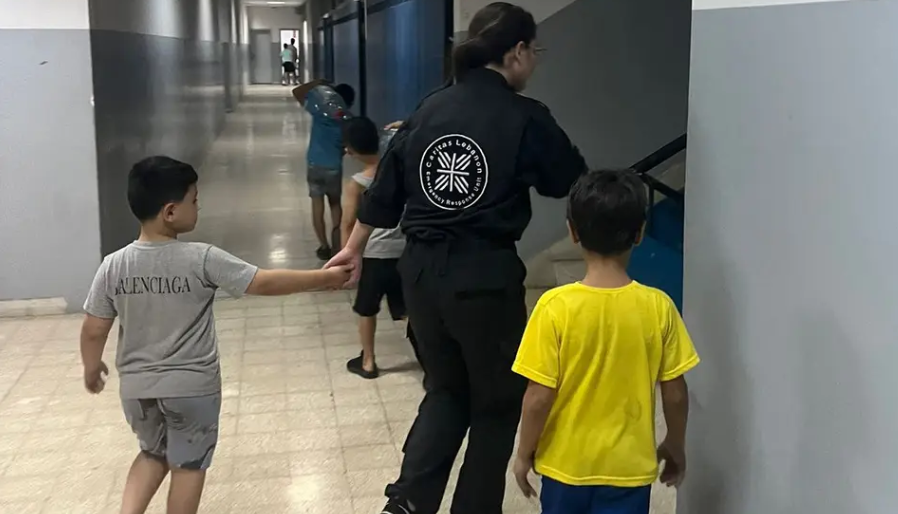
Despite the ceasefire agreement announced between Lebanon and Israel in November 2024, the humanitarian situation in Lebanon remains critical and highly unstable. Recent escalations, particularly in Southern Lebanon, have reported increased and repeated security incidents. Israeli airstrikes and drone attacks have been documented in villages such as Bint Jbeil, Aita al-Shaab, Maroun al-Ras, Yaroun, and Khiam, damaging homes, farmland, and essential infrastructure.
In addition, the use of agricultural herbicides, specifically glyphosate, at dangerously high concentrations over agricultural land in southern Lebanon, is raising serious alarm for food and environmental security, and public health. This makes the region an uninhabitable zone as already the large majority of the population depends on agriculture for their livelihoods.
UN entities, including UNOCHA and UNICEF have also alerted of the life-threatening danger posed by unexploded ordnance in South Lebanon, endangering civilians, posing a severe threat to children, and preventing the safe and voluntary return of displaced families. Additionally, the UNIFIL planned preparation to conclude itsmission at the end of 2026 is expected to limit employment opportunities and may further increase security risks in the area.
Furthermore, extensive internal displacement among Lebanese persists, as tens of thousands of residents are still unable to return to their homes in the South due to ongoing security and safety concerns and the significant infrastructure damage. Reconstruction fforts have been further impeded as construction sites and reconstruction equipment continue to be sytematically targeted.
Caritas calls for the protection of Lebanese civilians, increased diplomatic efforts, and respect for international humanitarian law and for the ceasefire agreement.